

Blog
CCTV camera buying guide for Kenyan homes and shops

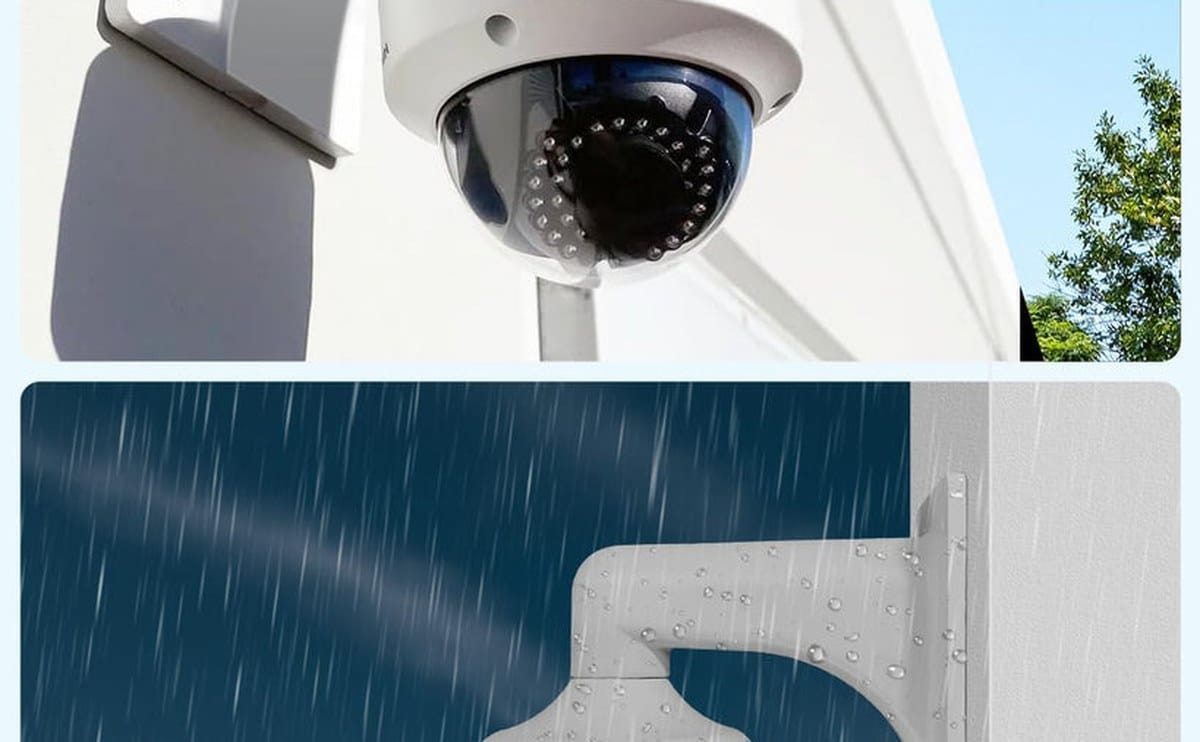
A CCTV system should answer a simple question: can you identify a person or number plate when something goes wrong? Pretty phone apps and 4K stickers do not matter if cameras point the wrong way or storage overwrites evidence too fast.
This guide covers the choices that matter for Kenyan homes, retail shops, and small offices — camera type, resolution, power, recording days, remote viewing, and reputable brands we stock. Treat installation quality as part of the product, not an afterthought.
Coverage first, megapixels second. Walk the property and mark entrances, till points, corridors, parking, and blind corners. One well-placed camera at the door often beats three decorative units on the ceiling. Night performance and a clear face at the gate matter more than brochure resolution numbers that look impressive in daylight demos.
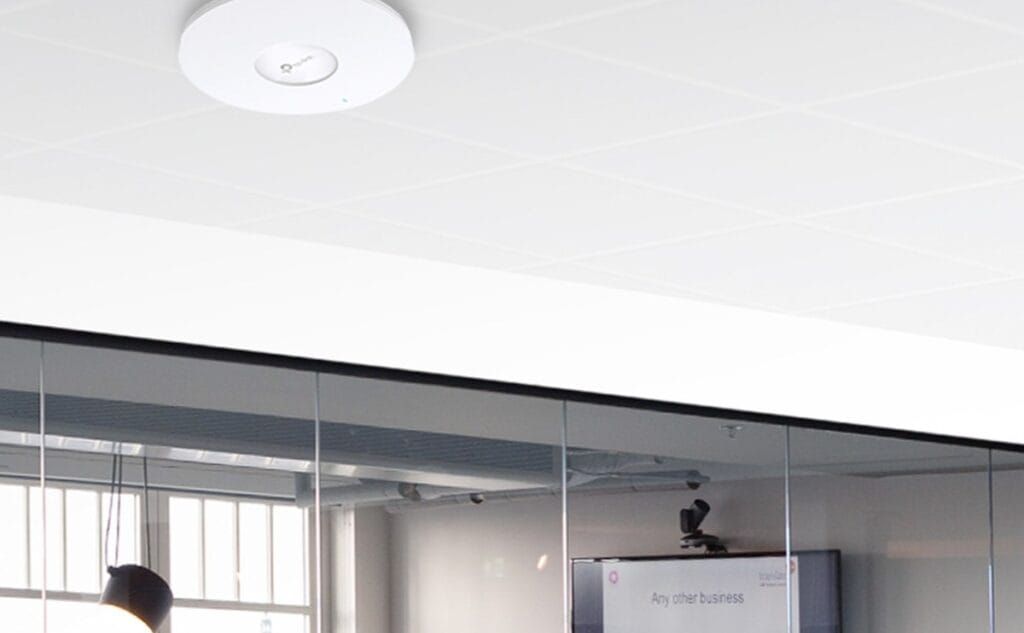
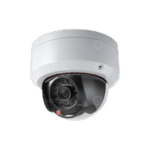
Dome cameras suit interiors; bullet cameras suit outdoor walls and gates. Turret styles are a middle ground that many shops like for less glare. For most retail and home use, 2MP to 4MP is enough if lenses and placement are right. Higher resolution helps only if your NVR, cabling, and viewing screens can use it. Start with our CCTV surveillance systems category to see kits and cameras together before you buy mismatched parts.
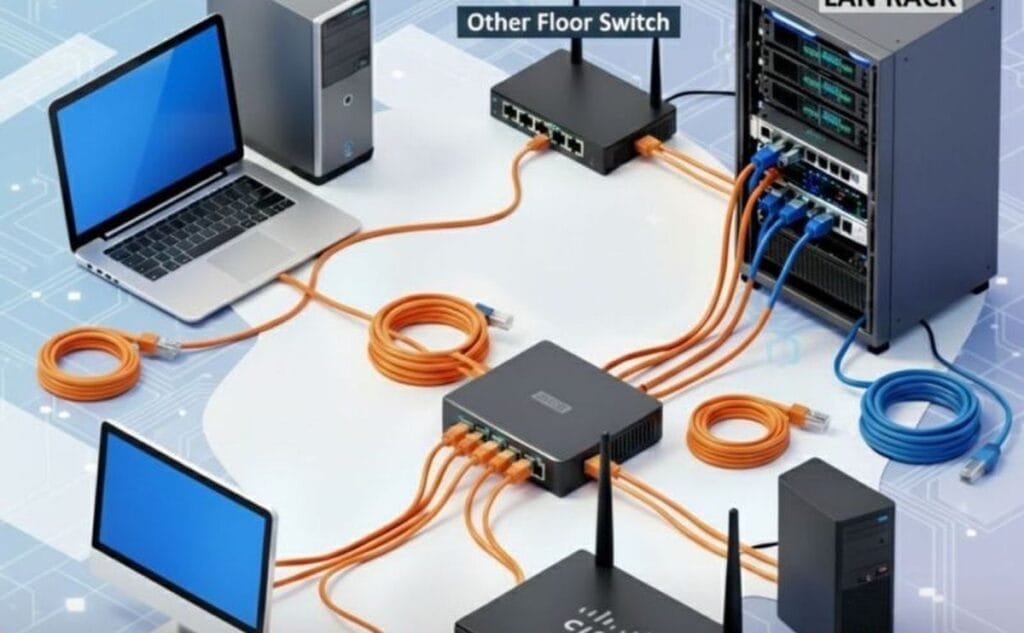
PoE (Power over Ethernet) IP cameras keep power and video on one cable — cleaner installs for new wiring and simpler maintenance. Analogue HD systems can reuse some existing coax but need the matching DVR. For new builds, IP plus PoE is usually the cleaner long-term path if budget allows. Plan cable routes away from easy tampering and leave service loops for future moves.

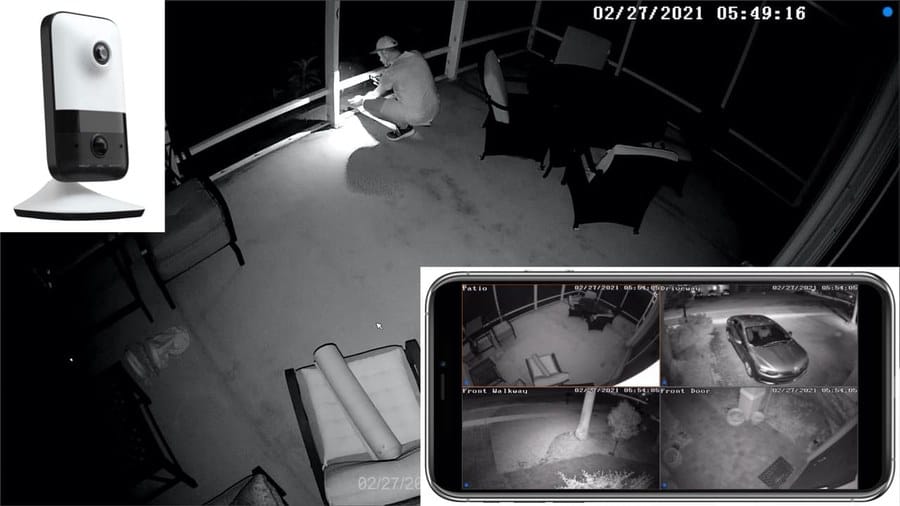
Hikvision and Dahua dominate many Kenyan installs for a reason: wide product ranges and local familiarity among technicians. Review product families on hikvision.com and dahua.com, then buy what your installer can support with spare parts. Storage days depend on camera count, resolution, and hard drive size — ask for at least two weeks of recording if theft investigation is a concern, longer for cash-heavy businesses.
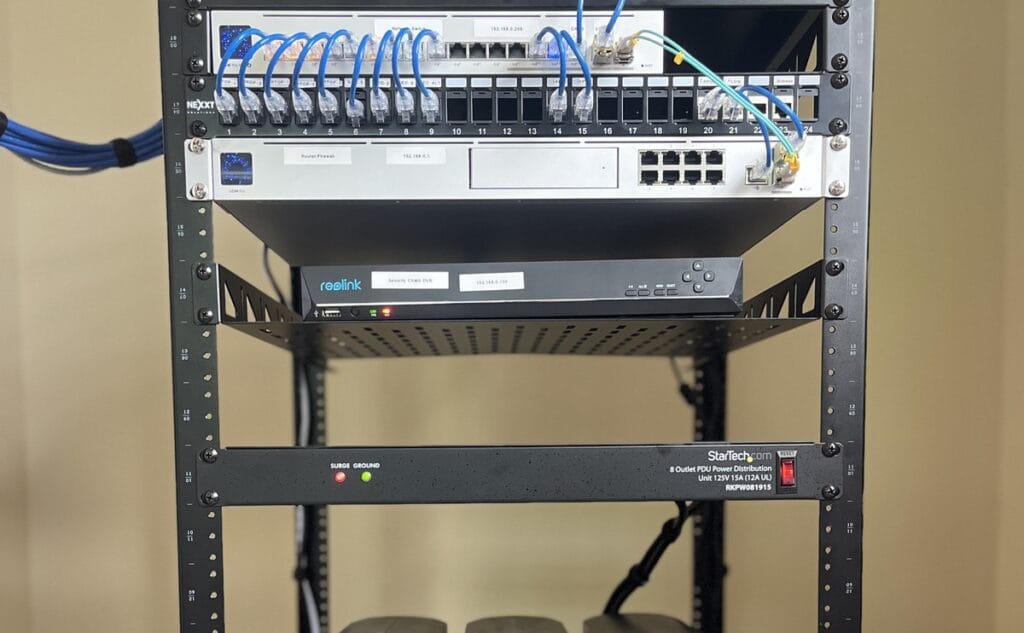
Outdoor cameras need weather-rated housings and careful mounting away from easy reach. Add infrared or good low-light performance for night at the gate. Remote viewing on phone is useful, but secure the password and network — default admin logins are still a common mistake. Put the NVR on a UPS so recordings survive short blackouts, and keep a spare hard drive plan when the disk fills or fails. For shops, aim a camera at the till and another at the entrance so you capture both the transaction and the person entering — one angle alone is often not enough for a dispute.
CCTV surveillance systems at Litmus Kenya
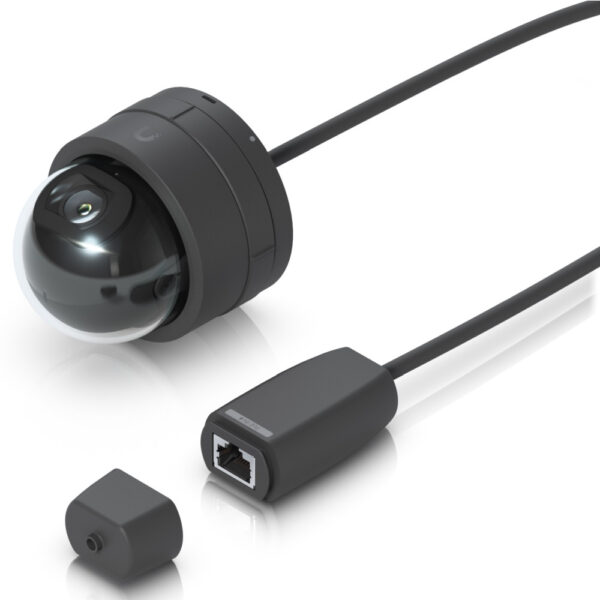
Ubiquiti UniFi Protect G5 Dome Ultra 2K PoE Black
Original price was: KSh 25,500.00.KSh 20,400.00Current price is: KSh 20,400.00. ex VAT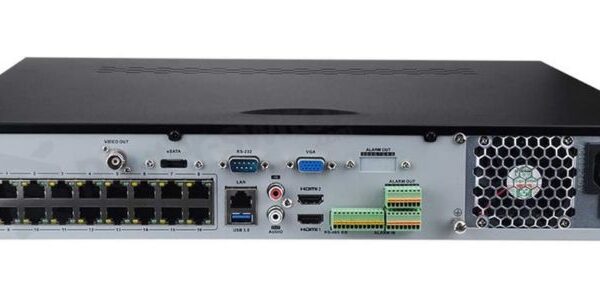
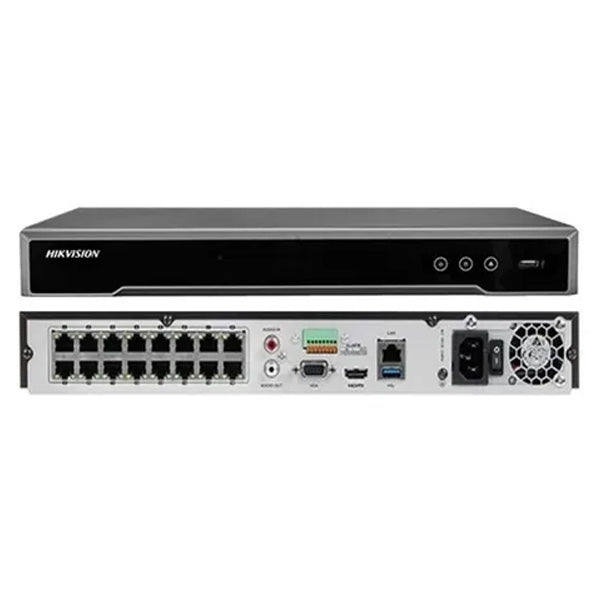
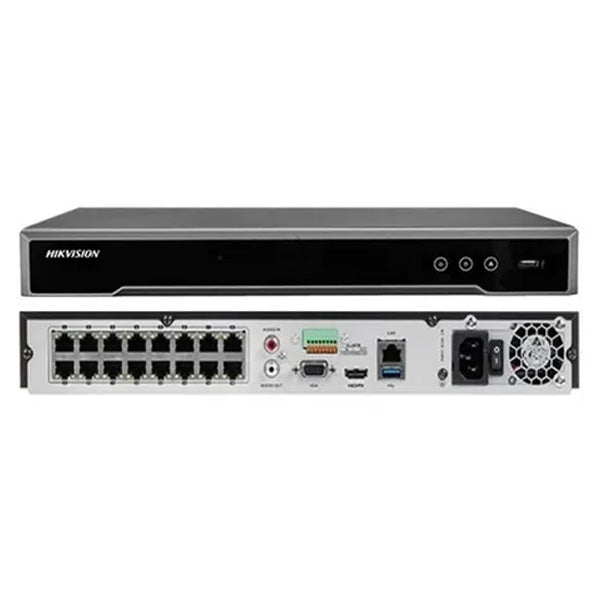
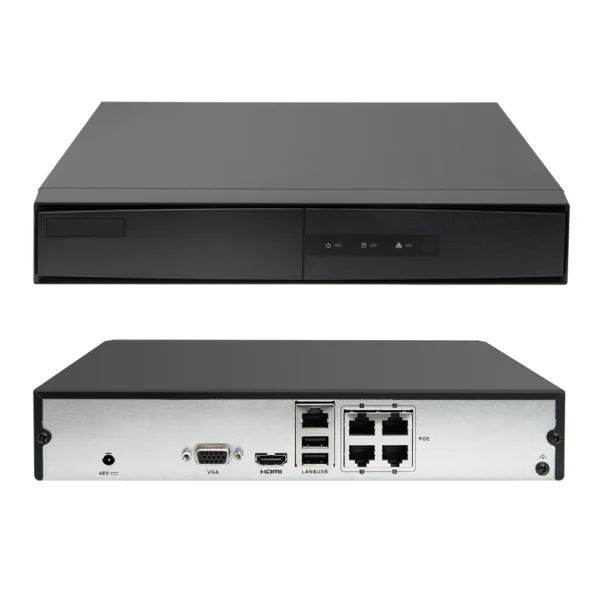
Plan camera positions on a sketch, decide IP/PoE vs analogue, size the NVR/DVR hard drive for retention, and pick a brand your installer knows well. Test night views at the gate and till before you sign off the job. Train one staff member on playback so evidence is not lost in a panic. Write down passwords and channel maps in a sealed envelope for management — not on a sticky note on the NVR.
Explore CCTV systems and brands like Hikvision and Dahua at Litmus Kenya. Bring a site sketch or photos and we will help you shortlist cameras and recorders.

















Dome for inside, bullet for gate. That tip alone cleared my confusion.
Also budget for HDD on the DVR. People buy cameras then stall.
Night vision section 🔥 Our compound was useless after 7pm before.
True. IR + proper height mounting matters more than megapixel flex.
PoE vs analogue — for a 6-camera shop which way are you leaning?