

Blog
Best IP phones for Kenyan offices

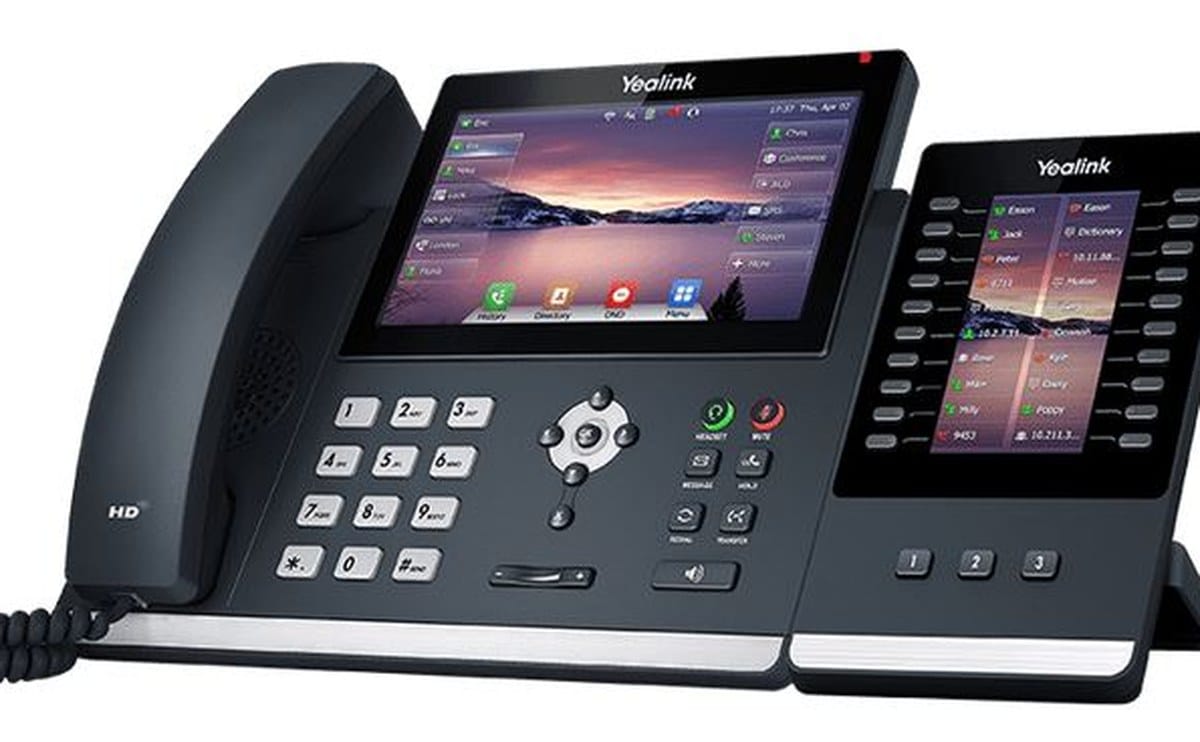
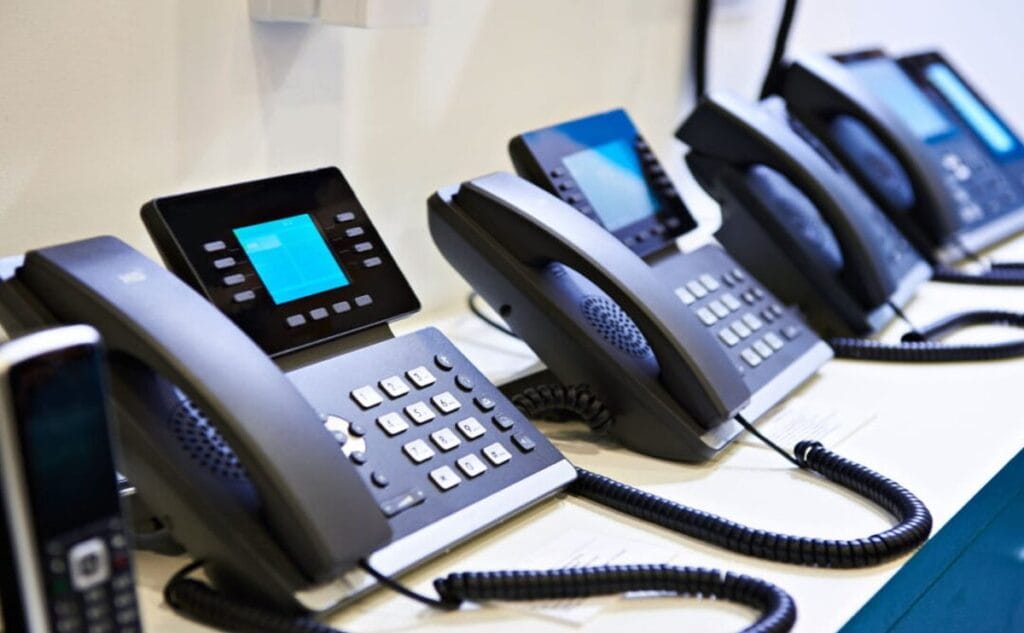
IP phones run voice over your data network. Done well, they give clearer calls, easier expansion, and features analogue sets never had — call queues, soft keys, presence lights, and desk-to-desk dialling on one system.
Here is what to look for when equipping a Kenyan office, and which brands we commonly supply. Hardware is only half the story; the LAN and PBX provisioning decide whether staff trust the phones on day one.
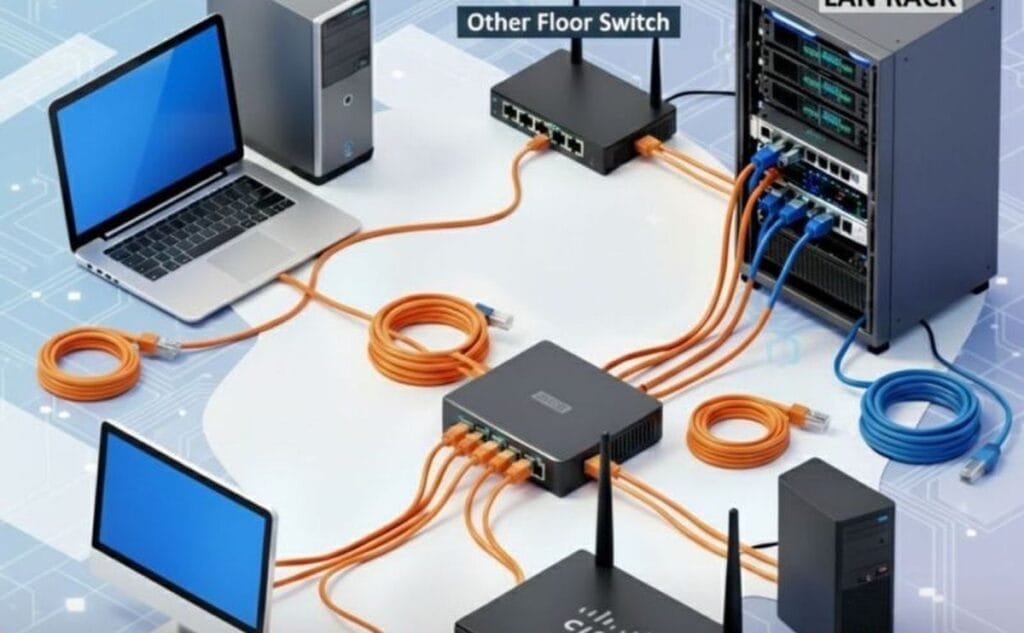
Your network quality becomes your call quality. IP phones need a stable LAN, preferably PoE from the switch, and sensible QoS so file downloads do not chop voice. Fix wifi-only desks before you blame the handset. A good phone on a bad network still sounds bad, and users will abandon it for mobile in a week.
Entry desk phones need a clear display, speakerphone, and headset jack for busy reception roles. Executive sets add more lines and BLF keys to see who is free. Conference units matter for boardrooms where speakerphone echo ruins client calls. Browse IP phones and match models to roles instead of buying one type for everyone — reception and warehouse rarely need the same handset. A wired headset on reception pays for itself in fewer dropped calls during busy mornings.
PoE simplifies installs: one cable for power and data. Confirm your switch has enough PoE budget for every handset plus APs or cameras on the same switch. If PoE is not available, use the phone’s power adapter — still fine for small deployments. Label wall ports by extension number so moves and changes stay sane. Do a short soak test on two desks before rolling out twenty phones with the same firmware.
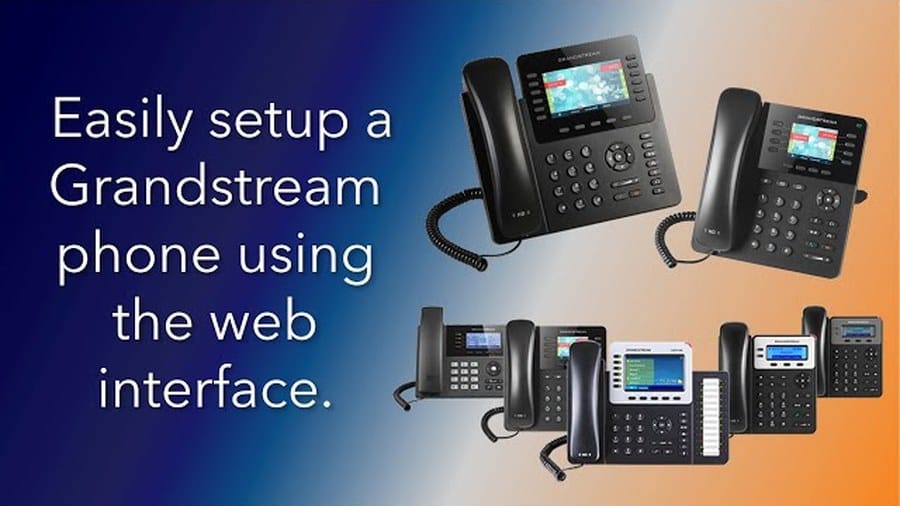

Grandstream and Yealink are widely used in SME VoIP installs. Review series details on grandstream.com and yealink.com. Fanvil handsets are another practical option — see them alongside others in our IP phones category when you compare features and price. Pick models your installer already knows how to provision.
You will also need a PBX or hosted VoIP service, SIP credentials, and someone to provision extensions. Plan numbering, voicemail, call recording policy, and after-hours routing before handsets arrive. Pair phones with a reliable network and UPS so calls survive short power blips. Train reception on transfer and park features or the fancy phone becomes an expensive paperweight. If staff work from home sometimes, ask whether softphone licences or remote extensions are included so you do not buy desk phones you will abandon.
IP phones for Kenyan offices
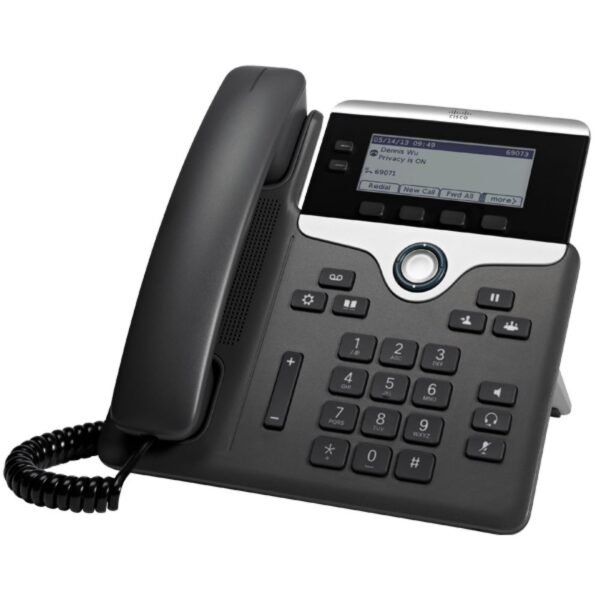
Cisco 7821 IP Phone 2-Line PoE
Original price was: KSh 21,000.00.KSh 16,800.00Current price is: KSh 16,800.00. ex VAT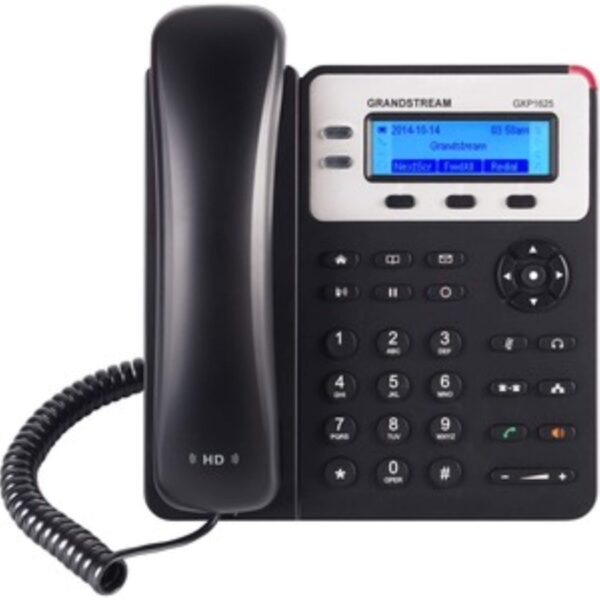
Grandstream GXP1625 2-Line PoE IP Phone
Original price was: KSh 6,300.00.KSh 5,400.00Current price is: KSh 5,400.00. ex VAT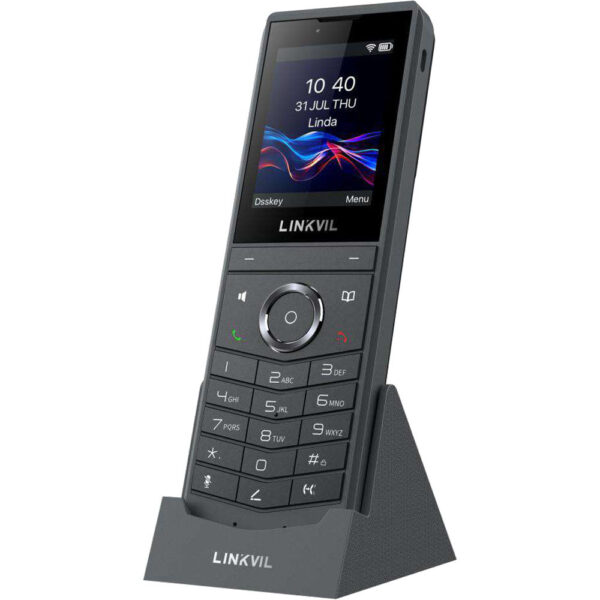
Fanvil W620W Portable WiFi 6 Phone
Original price was: KSh 15,000.00.KSh 12,000.00Current price is: KSh 12,000.00. ex VAT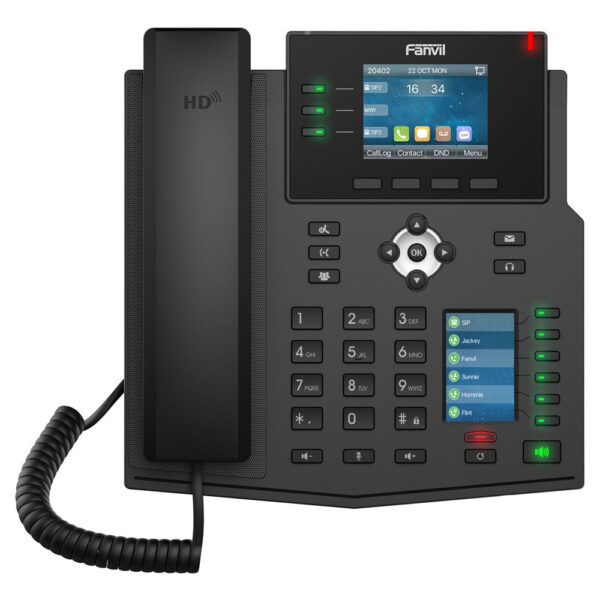
Fanvil X4U 12-Line Dual Screen Gigabit IP Phone
Original price was: KSh 13,500.00.KSh 10,800.00Current price is: KSh 10,800.00. ex VAT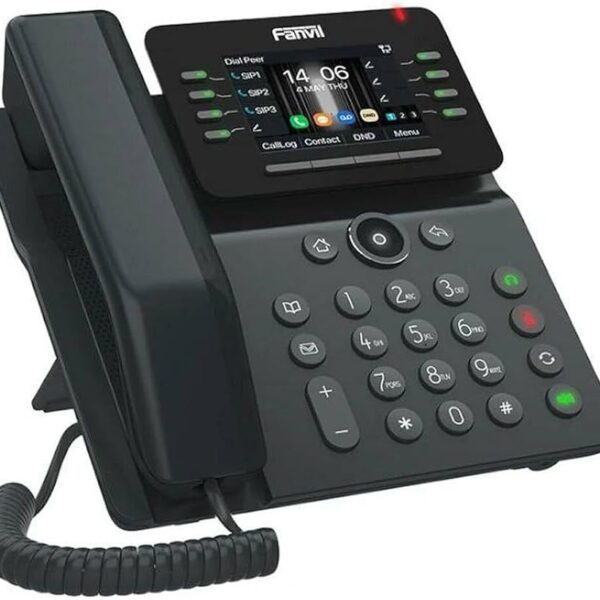
Fanvil V63 Gigabit IP Phone 8-Line Color Display
Original price was: KSh 12,800.00.KSh 10,200.00Current price is: KSh 10,200.00. ex VATChoose handsets by role, power them with PoE where possible, and invest in LAN stability before premium phone features. Provisioning and training matter as much as the hardware on the desk. Keep two spare handsets for failures so a dead reception phone does not stop the business. Write a one-page dial plan so new hires know how to transfer and park calls on day one.
Shop IP phones and explore Grandstream and Yealink at Litmus Kenya. Tell us how many extensions you need and whether you already have a PBX — we will recommend a matching set.

















PoE phones = fewer wall warts. Our reception looks clean now.
Just make sure the switch can handle the PoE draw for all handsets.
Transfer + hold that actually works — underrated for Kenyan SMEs.
Going from analogue to IP next month. This shortlist helps. Asante!
Keep one analogue line as backup if fibre drops. Just saying.