

Blog
Gate automation and access control basics for compounds and offices

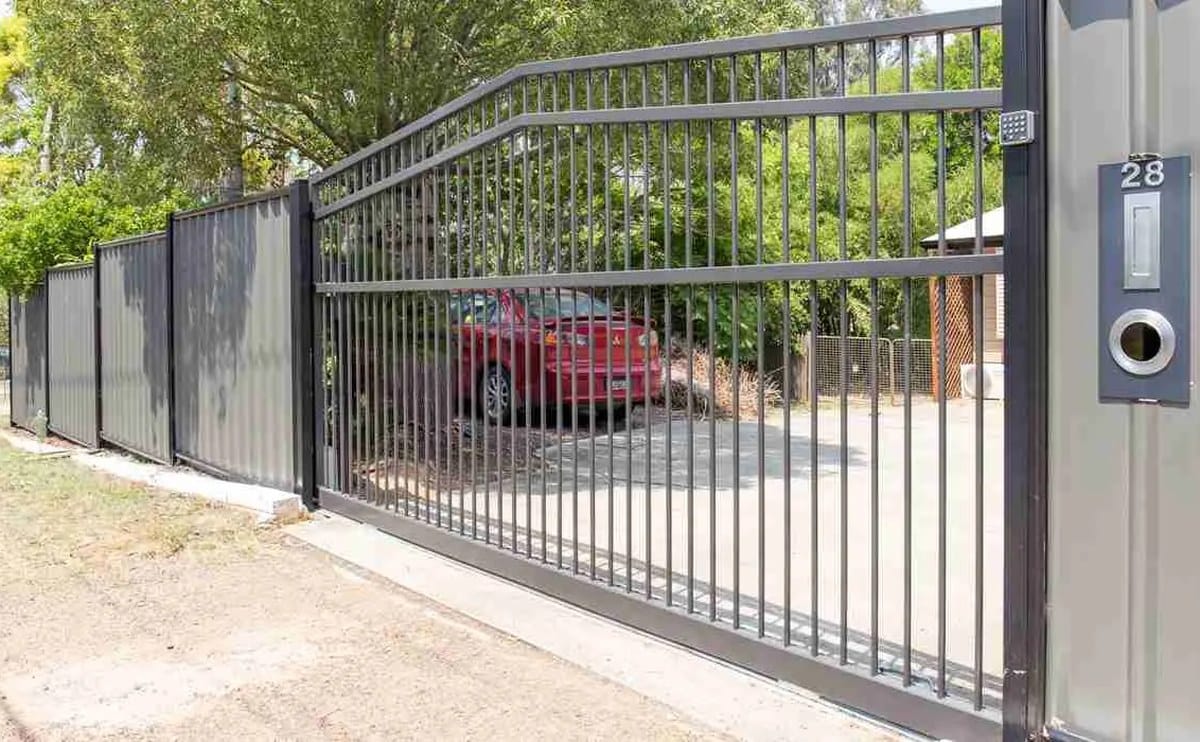
Manual gates at busy compounds waste time and create queues at shift change. Automation is not only convenience—it is controlled entry, clearer visitor handling, and fewer arguments at the guard house. Start with how the gate moves, how heavy it is, and who should be allowed to open it at 6 a.m. versus midnight.
Browse gate barriers under our wider security range before you buy a motor that does not match the gate weight or duty cycle. A residential swing gate and a factory boom for trucks are different products wearing the same “automation” label.
Sliding gates, swing gates, and boom barriers solve different site problems. A residential compound is not the same as a factory with trucks every hour. Spec the duty cycle and leaf weight first, then the brand and remotes.
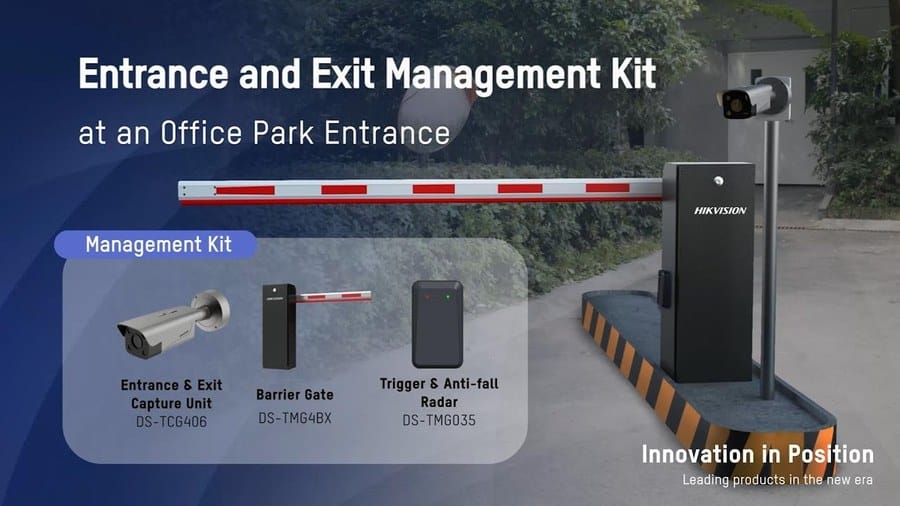
Sliding systems suit long runs along a wall or fence line where the leaf parks parallel to the boundary. Swing systems need clear space to open—easy to underestimate when parking bays sit too close to the gate arc. Boom barriers work well for vehicle checkpoints and parking where a full gate leaf is unnecessary. Heavy industrial gates need motors rated for the leaf weight and for continuous or high-frequency opening. Undersized motors fail early in Nairobi heat, dusty sites, and rainy seasons when tracks bind. Measure the clear opening, note whether the gate is steel or lighter materials, and count peak openings per hour at shift change.
Access control sits on top of the motor. Options include remotes for residents, keypad or card readers for staff, GSM openers for managers, and integration with visitor management at the guard house. Offices often combine a staff reader at the pedestrian gate with a separate vehicle boom. Keep emergency release and battery backup in the plan—power cuts are normal, and a locked gate during a fire drill or medical emergency is a liability. Photocells and safety edges reduce crush risk; do not skip them to save a few thousand shillings on a quote that looks cheaper on paper.
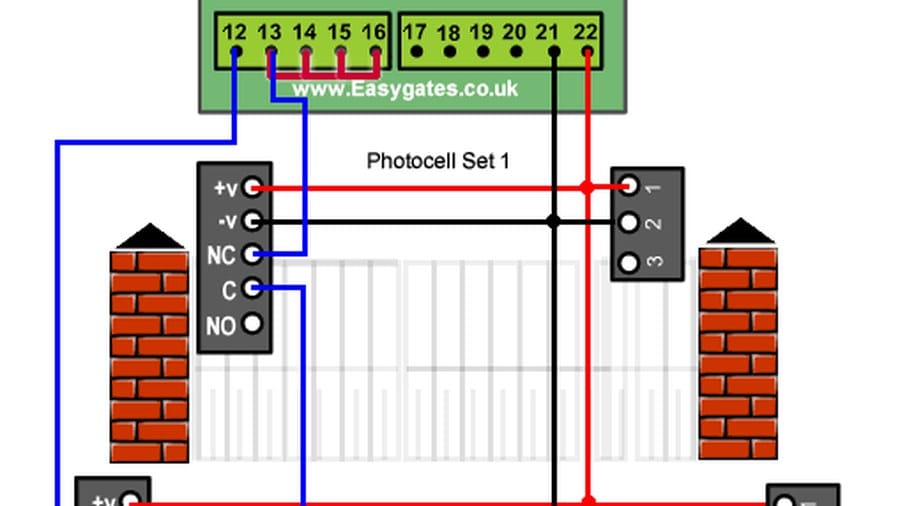
Installation quality decides lifespan. Rails must be level, foundations solid, and cabling protected from rain and rodents. Cheap DIY mounts that shift after the rainy season cause motors to strain and burn out. Use a qualified installer who understands local site conditions, and keep spare remotes plus a documented override procedure with the facilities manager—not only with whichever guard is on night shift. Photograph the wiring before closing trunking so the next technician is not guessing.
For product selection, compare barrier types in gate barriers and pair them with your wider site plan—CCTV at the entrance, lighting, and clear signage for visitors. Brand choice matters for spare parts availability in Kenya; ask what is stocked locally before you commit to an obscure motor that needs a three-week import for a limit switch. Align gate automation with your overall security stack so access logs, cameras, and barriers tell one story when something goes wrong.
Gate barriers and access hardware
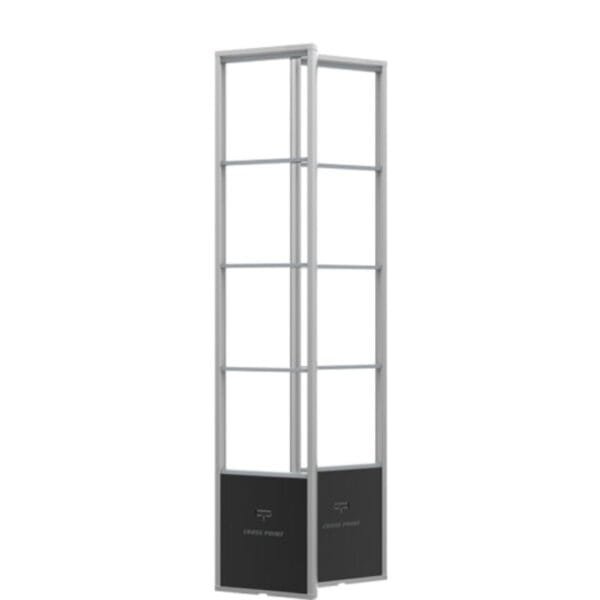
Cross Point MODUS RF30 8.2MHz RF EAS System Dual Pedestal
Original price was: KSh 130,000.00.KSh 115,000.00Current price is: KSh 115,000.00. ex VATMeasure gate type, weight, opening frequency, and power reliability. Add safety sensors and a documented manual release. Access method should match how many users you have, not how flashy the app looks.
Explore gate barriers and other security options at Litmus Kenya, or bring site photos and dimensions so we can point you to a realistic kit.














Motor + remote first, then cards later. Phased approach makes sense.
Backup battery on the motor — blackouts shouldn’t leave the gate open.
Access logs for the office door changed how we handle after-hours.
Infrared safety beams — don’t skip. Kids and cars in the driveway.
Installer tried to skip ours. We insisted. Glad we did.