

Blog
Best business laptops for office work in Kenya (2026)


Buying a business laptop in Kenya is less about the flashiest screen and more about what your team actually does all day. Email, Excel, accounting software, Zoom, and a browser with too many tabs open — that is the real workload. Get the basics right and you avoid slow machines that eat into productivity within a year.
This guide covers what matters for office work in 2026: processor class, memory, storage, battery life, ports, and which lines from Dell, HP, and Lenovo tend to make sense for SMEs. You will also see where to browse current stock on our site so you can compare live specs and pricing.
Start with use case, not brand loyalty. A receptionist who lives in Word and email does not need the same machine as an accountant running heavy spreadsheets or a salesperson who is offline half the week. Match the laptop to the job, then compare price and warranty. That order saves money more often than chasing the newest CPU generation or a thin chassis that cannot be upgraded.
For most Kenyan offices, an Intel Core i5 or AMD Ryzen 5 (or equivalent) is enough. Step up to i7 or Ryzen 7 only if you edit video, run CAD, or keep dozens of apps open. RAM is where buyers under-spec: 8GB works for light use, but 16GB is the safer default in 2026, especially with Windows updates and browser habits. Storage should be NVMe SSD — 256GB minimum, 512GB if people keep files locally or work offline. You can browse current business laptops and filter by brand once you know that baseline.
Battery and build quality matter more than marketing claims. Ask for real-world battery expectations for office apps, not game demos. A solid keyboard and a usable webcam still matter for daily calls. Port selection — USB-A, USB-C, HDMI — reduces dongle costs for shared meeting rooms. If staff dock at a desk, check docking or USB-C charging support before you standardise on a model.
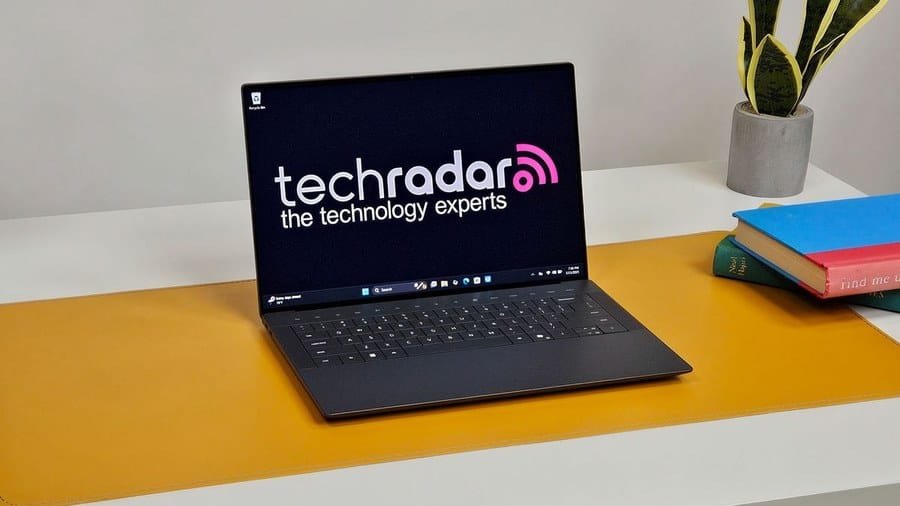

Dell Latitude and similar business lines are popular where durability and docking support matter. Check the manufacturer overview at dell.com if you want series details, then compare live specs in our Dell laptops category. HP ProBook and EliteBook-class machines are common in corporate IT; see hp.com for lineup context and our HP laptops for what is available locally with warranty you can actually use.
Lenovo ThinkPad and IdeaPad business options often win on keyboard feel and repairability. Manufacturer info sits at lenovo.com; stock and pricing are in our Lenovo laptops section. Whatever brand you pick, confirm warranty terms in Kenya and whether RAM or SSD can be upgraded later — that extends the life of the purchase and lowers total cost over three to four years.
Business laptops available at Litmus Kenya

XCV450 Fragranced Vanilla Scented 450g
Original price was: KSh 95.00.KSh 77.00Current price is: KSh 77.00. ex VAT
Lavender Scented 450g Fragranced Air Freshener – Slow-Release Room Fragrance
Original price was: KSh 101.00.KSh 82.00Current price is: KSh 82.00. ex VAT
Lion Classic White Fluted 400g Cup
Original price was: KSh 47.00.KSh 37.00Current price is: KSh 37.00. ex VAT
Lion Light Brown Shoe Polish 50ml – Wax-Based Leather Cream
Original price was: KSh 15.00.KSh 12.00Current price is: KSh 12.00. ex VAT
Loving Touch Sensitive Gel 6x200ml Water-Based Intimate Lubricant Paraben-Free
Original price was: KSh 500.00.KSh 400.00Current price is: KSh 400.00. ex VATA practical buying rule: list the software your team uses, count concurrent apps, and decide if staff travel with the machine. Then pick 16GB RAM where budget allows, SSD storage, and a business-oriented chassis. Avoid gaming-heavy configs for pure office work — you pay for heat, fan noise, and power draw you do not need on a quiet accounts desk.
Ready to compare options? Explore laptops, or jump straight to Dell, HP, and Lenovo at Litmus Kenya. Visit the store or message us with your headcount and budget and we will shortlist models that fit.




16GB tip saved us. We were about to buy 8GB ThinkBooks for accounts 😅
Same here. Chrome + Excel alone finishes 8GB by lunch.
Dell vs Lenovo for docking — which one are you guys stocking more for SMEs?
We went Latitude + dock. Litmus helped us match the USB-C ones.
ThinkPad keyboard still undefeated for long typing days 🔥
Poa guide. Skipping gaming configs for reception desks — makes sense.