

Blog
How to choose the right toner and ink so you don’t waste money

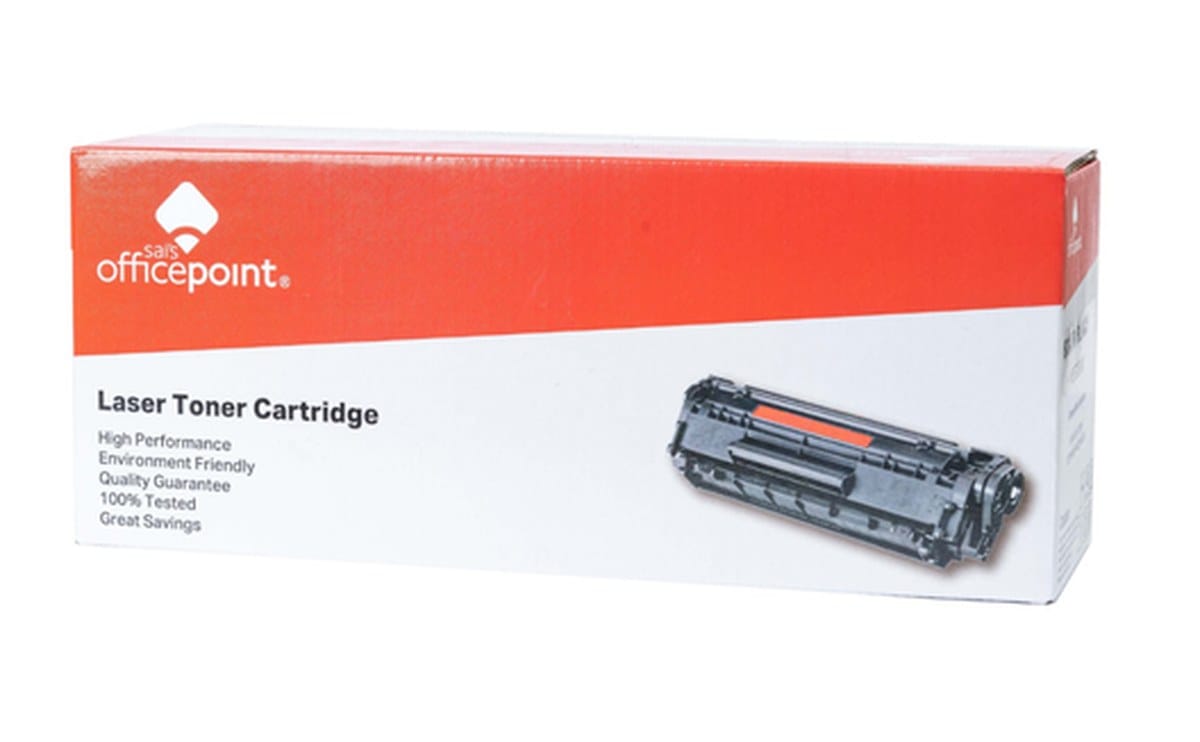
Buying toner or ink is where many Kenyan offices quietly lose money. The wrong cartridge clogs the printer, prints faintly, or simply will not fit—and you still paid for it. Start with your exact printer model, not the cheapest box on the shelf. Write the model number from the front panel or status page before you leave the office.
Walk through our printers range if you are still choosing a machine. Once you know the model, match consumables to how much you print each month, not to a one-off quoted price. A cartridge that looks cheap but yields half the pages is not a bargain.
Genuine cartridges cost more per box but usually less per clean page. For busy offices on HP, Brother, Canon, or Epson, that difference shows up in fewer service calls, fewer wasted reams, and fewer “the printer is down again” mornings.
Laser printers use toner; inkjets use ink. Toner is a dry powder fused onto paper—better for high-volume text, invoices, delivery notes, and school worksheets. Ink suits colour flyers, photos, and occasional charts. If your team prints hundreds of mono pages a week, laser plus the correct toner series is almost always the cheaper path over a year. Check the page-yield figure on the box (for example 1,200 vs 3,000 pages at five percent coverage) and divide cost by yield, not by sticker price. Also note whether the pack is standard or high-yield; high-yield often wins for busy reception and accounts desks.
Compatibility is non-negotiable. An HP LaserJet cartridge will not run in a Brother or Epson machine. Even within one brand, a cartridge for an older LaserJet may not suit a newer model. Read the part number on the empty cartridge or in the printer manual, then buy that exact SKU. Our HP printers and other brand lines list models clearly so you can cross-check before you order. For spare drums, waste bottles, and related bits, also browse printing accessories. Keep one spare black cartridge sealed in a cool cupboard so a dry unit does not stop invoicing mid-month.
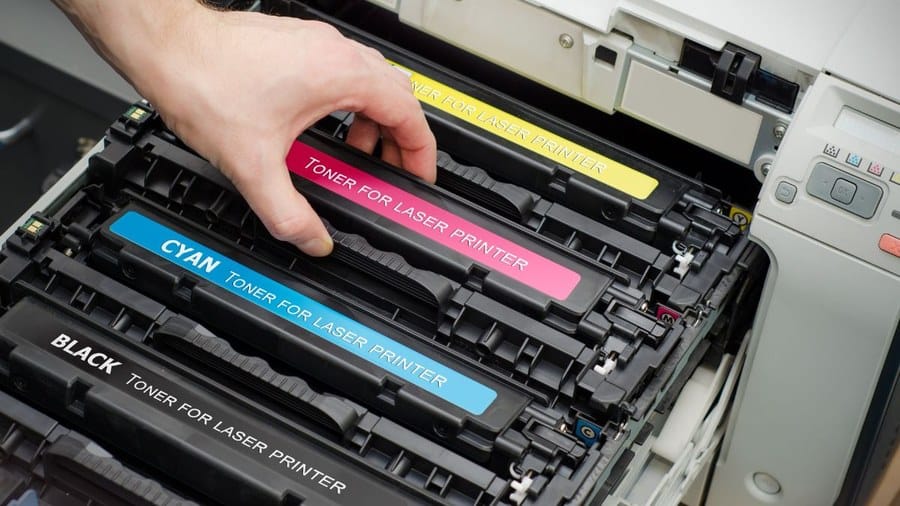
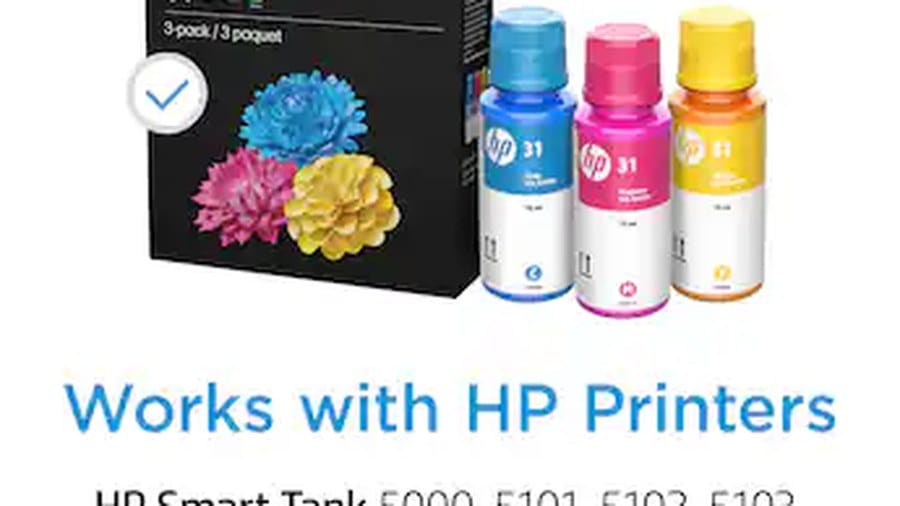
Refills and generic “compatible” cartridges look attractive when cash is tight. Some work for a while; many leak, trigger chip errors, smear pages, or sit in a grey area on warranty wording. If you manage a shop, clinic, school, or NGO where documents must look professional, stick to genuine HP, Brother, Canon, or Epson supplies for the machines you already own. Train staff not to buy random stock from roadside sellers—fake packaging is common and the damage to the fuser costs more than the “saving.”
Colour inkjets can quietly drain money if you print mostly text. Colour cartridges dry out when left unused for months—common in small offices that only print colour once a quarter. For text-heavy work, a mono laser with a high-yield toner is simpler. If you need both, assign colour jobs to one inkjet and keep the laser for daily paperwork. Track monthly spend for three months; most managers are surprised how much goes into low-yield colour packs. When you finally replace the printer, factor three years of consumables into the decision, not only the hardware quote.
Printers that match your consumables

XCV450 Fragranced Vanilla Scented 450g
Original price was: KSh 95.00.KSh 77.00Current price is: KSh 77.00. ex VAT
Lavender Scented 450g Fragranced Air Freshener – Slow-Release Room Fragrance
Original price was: KSh 101.00.KSh 82.00Current price is: KSh 82.00. ex VAT
Lion Classic White Fluted 400g Cup
Original price was: KSh 47.00.KSh 37.00Current price is: KSh 37.00. ex VAT
Lion Light Brown Shoe Polish 50ml – Wax-Based Leather Cream
Original price was: KSh 15.00.KSh 12.00Current price is: KSh 12.00. ex VAT
Loving Touch Sensitive Gel 6x200ml Water-Based Intimate Lubricant Paraben-Free
Original price was: KSh 500.00.KSh 400.00Current price is: KSh 400.00. ex VATBefore you buy: confirm model number, page yield, black-only vs colour, and whether you need high-yield packs. Ask what your monthly print count really is—estimate high if you are unsure. Fake or mismatched cartridges waste more than they save.
Need help matching a cartridge to a machine? Visit Litmus Kenya, browse printers and brand pages for HP, Brother, Canon, and Epson, or talk to the team with your empty cartridge in hand.



Compatible vs original — we test one compatible first now. Smart tip.
Match the exact cartridge code. Close-enough numbers jam machines.
Yield pages matter more than the box price. Asante for spelling that out.
Stocking two toners ahead of end-month printing rush — game changer.
Same. Running dry on payroll week is a special kind of stress.