

Blog
Power tools and electricals: what SMEs and contractors usually need first

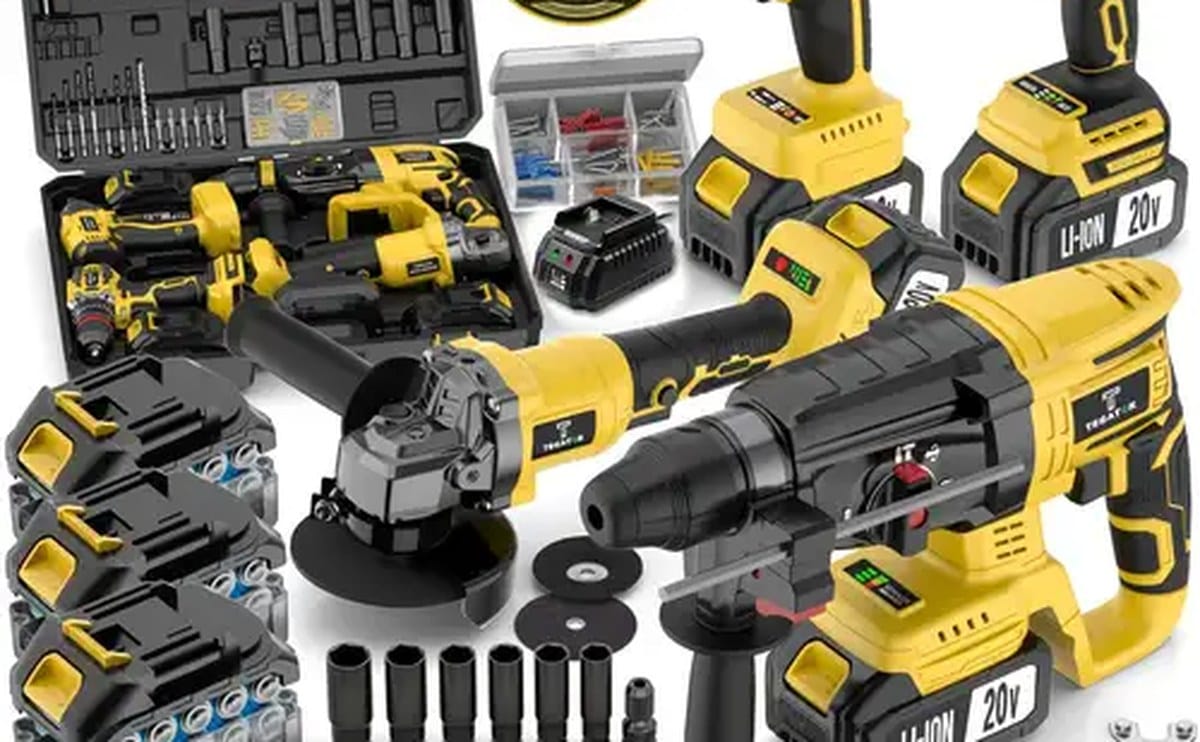
Contractors and small workshops in Kenya often overspend on one flashy tool and underspend on the boring basics: safe extension, correct protection, and a drill that survives daily site dust. Buy in the order jobs actually demand, not in the order social media reviews shout.
Start from power and electricals and build a kit list against your typical site—fit-out, maintenance, or fabrication. A one-person handyman kit is not the same as a three-crew fit-out van.
The tool that sits unused is expensive. The missing extension reel that trips a whole floor is more expensive. Buy for the jobs you win every week, then add specialty gear when a contract pays for it.
First purchases for many SMEs: a reliable drill/driver, a small grinder where metalwork appears, and measuring/marking tools that do not bend after a week in a hot van. Add PPE—gloves, eye protection, ear protection—before adding specialty cutters. For electrical work that is not your trade, hire a licensed electrician; buying consumer tools does not make unlicensed work legal or safe. Keep a dedicated site toolbox so bits and chargers stop disappearing into personal bags at the end of the day. Replace damaged leads immediately—taped cords on wet sites are how jobs get shut down.
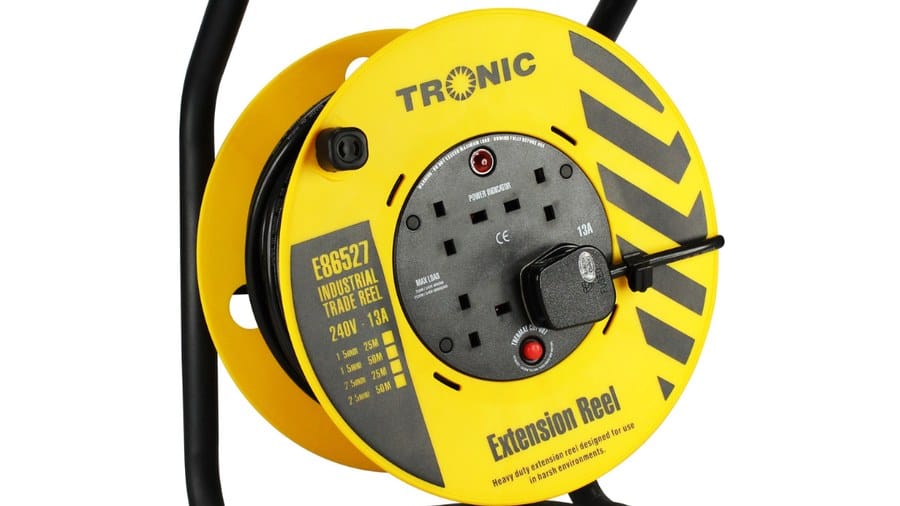
Power distribution on site is where accidents and downtime hide. Use proper rated extension reels, avoid daisy-chaining cheap strips, and protect circuits appropriately. Generators and temporary boards need clear labelling so nobody plugs a compressor into a lighting spur. Indoors, surge protection and quality sockets reduce mysterious equipment deaths when supply voltage swings. If your office gear fails during outages, pair site electrical planning with office UPS for routers and tills—different problem, same discipline about clean, predictable power. Write maximum loads on the board so apprentices are not guessing.
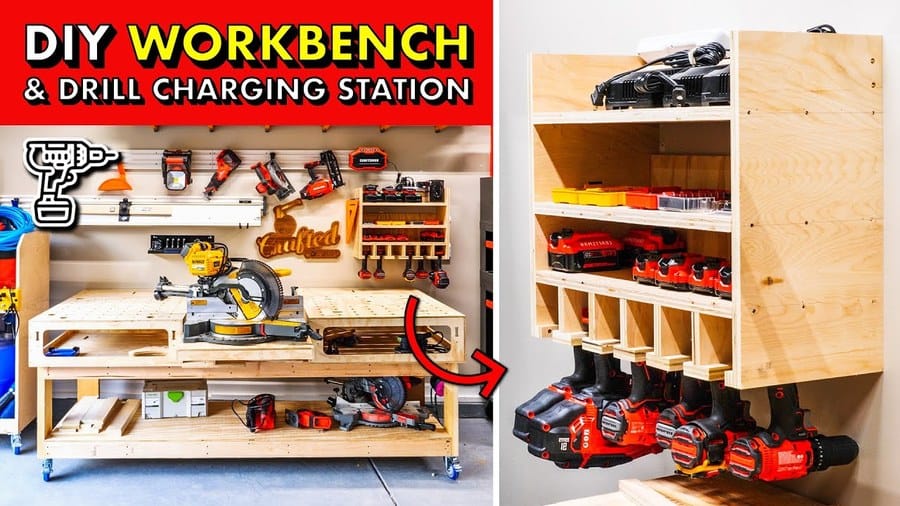
Battery platforms save money over time if your crew standardises on one brand of cordless tools. Mixing random batteries forces spare proliferation and mid-job swaps. Corded tools still win for continuous heavy loads where batteries drain mid-cut. Match disc and bit consumables to the tool; the wrong grinding disc is a safety issue, not a saving. Store chargers off the dusty floor and keep a simple sign-out log for multi-crew firms so tools stop “walking.”
For growing contractors, add lighting for evening fit-outs, a decent vacuum or blower for cleanup, and lockable storage. Electricals aisle purchases—trunking, breakers, and quality cable—should follow a drawing, not impulse at the counter. Browse power and electricals for the backbone items, and ask suppliers for warranty terms that mean something locally. Cheap no-name chargers that fail in three months cost more in delayed jobs than a mid-tier branded kit bought once.
Power tools and electrical essentials
EVI EP-UPSP11-MBP 2U Maintenance Bypass PDU 6-10kVA
Original price was: KSh 45,000.00.KSh 36,000.00Current price is: KSh 36,000.00. ex VAT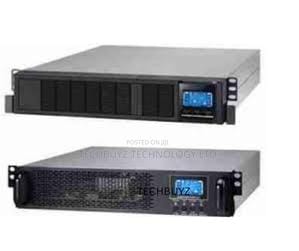
EVI EP-UPS6000P11OR 6000W Online Rack Mount UPS
Original price was: KSh 225,000.00.KSh 180,000.00Current price is: KSh 180,000.00. ex VAT
OEM LW 12V 7.5Ah Sealed Lead Acid Battery
Original price was: KSh 2,300.00.KSh 1,800.00Current price is: KSh 1,800.00. ex VAT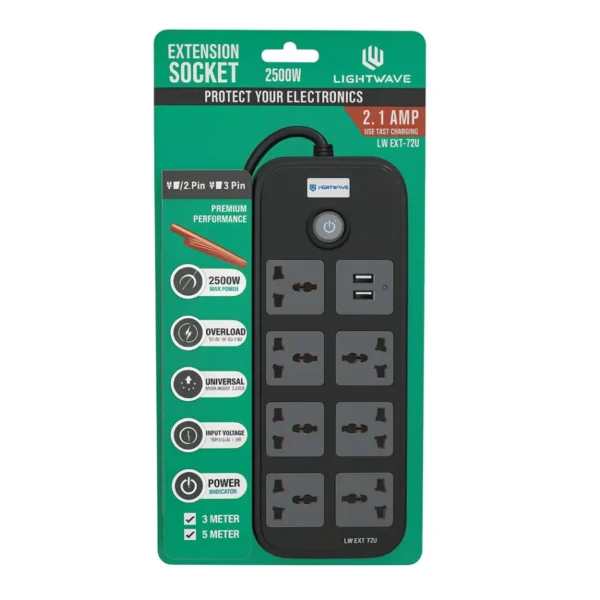
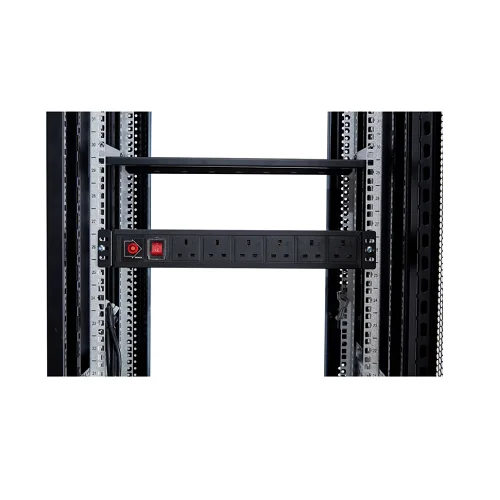
OEM 72UC-3P 7-Way Extension Socket USB Type-C 3m
Original price was: KSh 2,800.00.KSh 2,200.00Current price is: KSh 2,200.00. ex VAT
OEM DP7-6 6V 7Ah Sealed Lead Acid Battery
Original price was: KSh 3,800.00.KSh 3,000.00Current price is: KSh 3,000.00. ex VATPrioritise core tools, PPE, and safe power distribution before specialty gadgets. Standardise batteries where you go cordless. Separate “site power” problems from “office UPS” problems.
Explore power and electricals and UPS options at Litmus Kenya when you are equipping a workshop or protecting office kit.
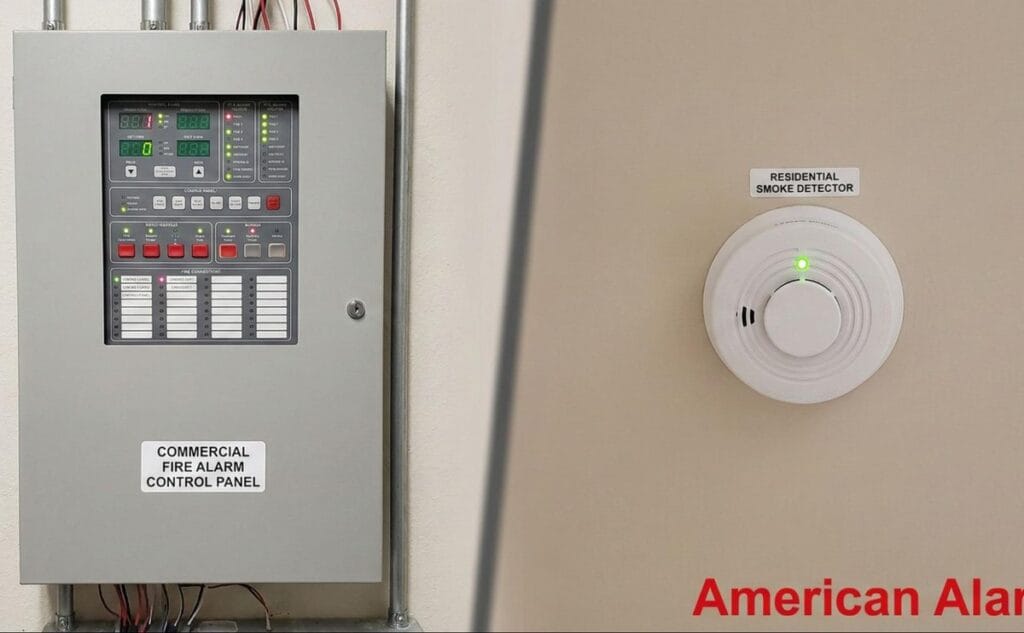

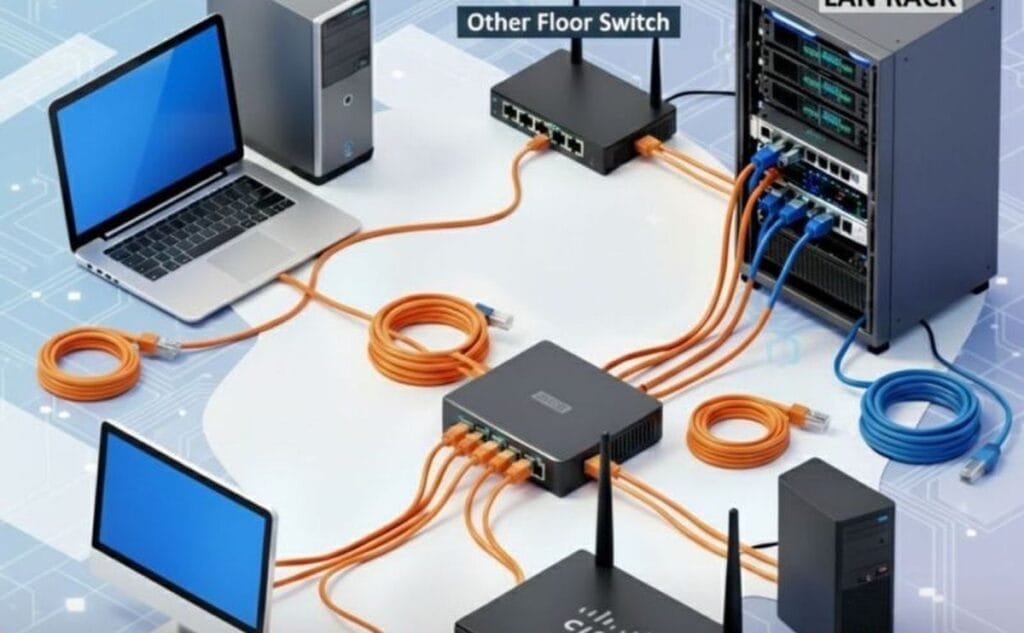















Drill + angle grinder + decent extension first. Site kit starter pack.
And a proper distribution board mindset — don’t daisy-chain forever.
Voltage protection for tools on rough sites — underrated cost saver.
Safety PPE mentioned briefly but real — glasses before the grinder 🔥
No PPE, no tool. House rule. Glad guides push that.