

Blog
Analogue vs IP phone systems: which is right for your business

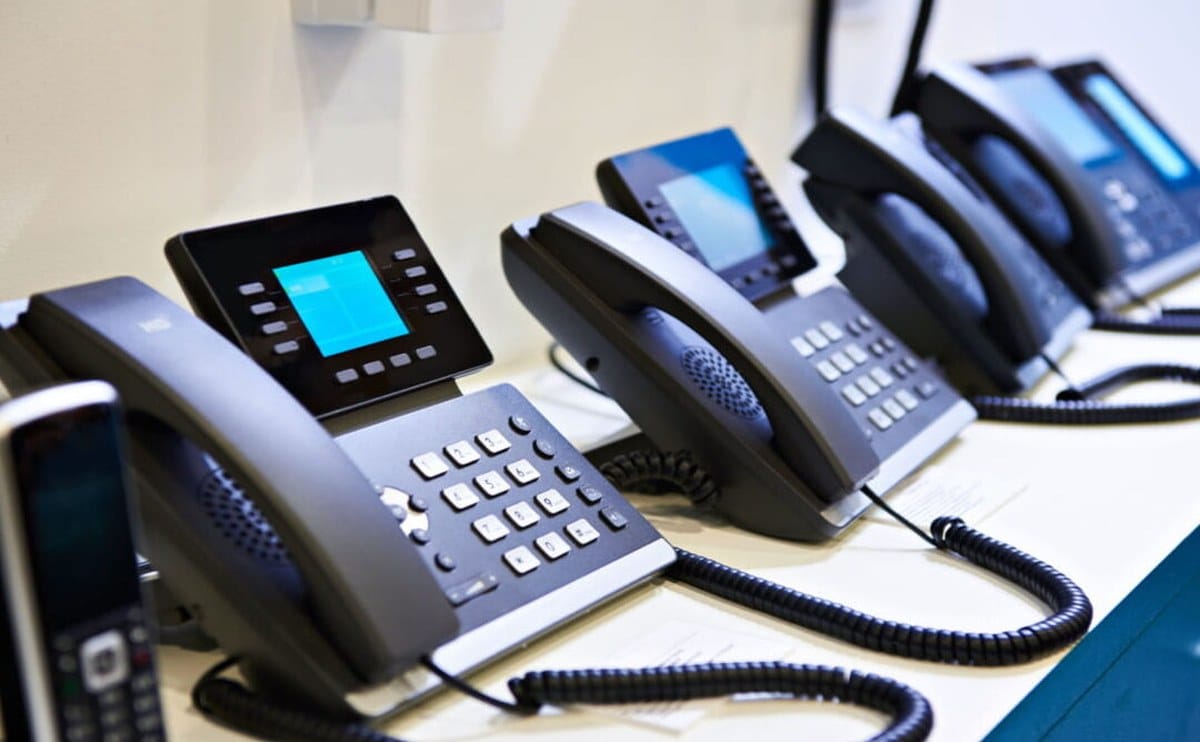
Analogue and IP phone systems both place calls. They differ in how they connect, what features you get, and how painful growth becomes after year two. Many Kenyan SMEs still run analogue successfully — until they open a second branch or hire remote staff.
If you are opening a new branch or replacing aging handsets, use this comparison before you commit budget. The cheaper day-one quote is not always the cheaper three-year system.
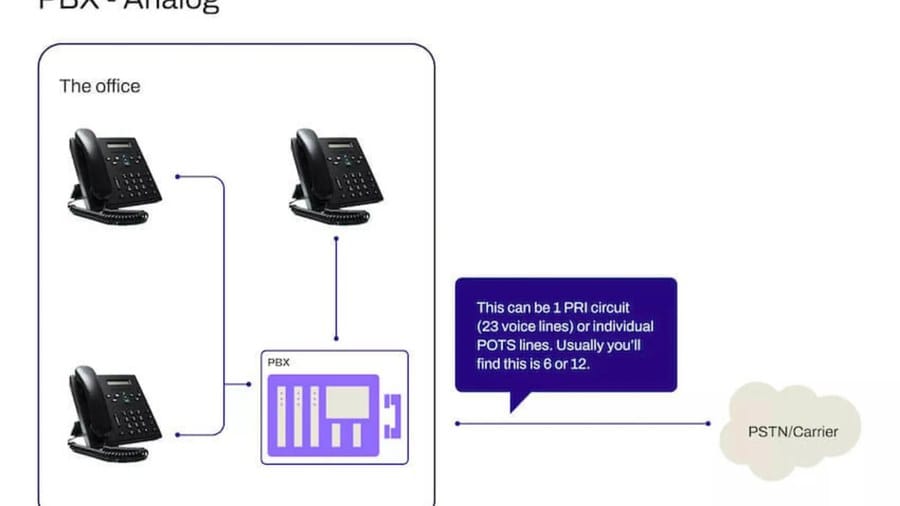
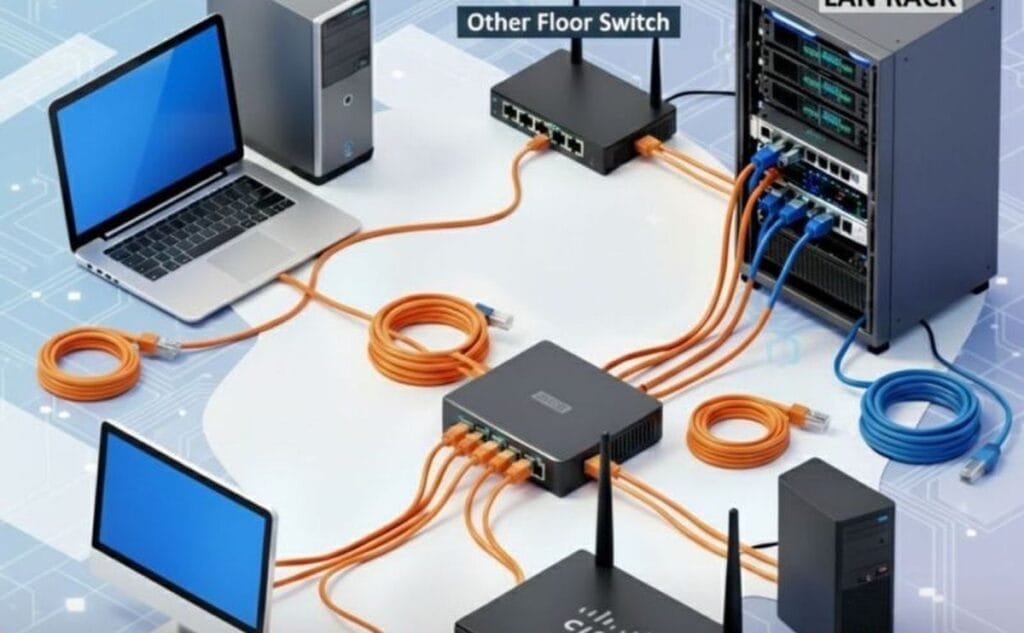
Analogue is simple and familiar: handsets on copper pairs into a traditional PBX or provider lines. IP moves voice onto the LAN and opens features and remote working options. Neither is “modern for the sake of it” — pick based on cabling you already have, IT skill in-house, and whether staff need softphones on laptops when they leave the office.
Analogue still makes sense for very small offices with existing wiring and basic call needs. Spare parts and analogue phones remain available, and training is minimal. Limits show up when you want call recording, CRM pop-ups, easy multi-branch dialling, detailed call reports, or work-from-home extensions that ring the same company number. If your biggest pain is simply replacing broken handsets, analogue may still be the lower-risk spend this year.
IP systems shine when you already invest in networking. Add IP phones, a PBX or hosted service, and you can scale extensions without pulling new voice pairs everywhere. Hybrid setups exist — some businesses keep analogue trunks while using IP handsets internally during a phased migration. That can reduce risk if you are not ready for a big-bang cutover. Count real concurrent calls at peak hour before you size trunks or SIP channels.
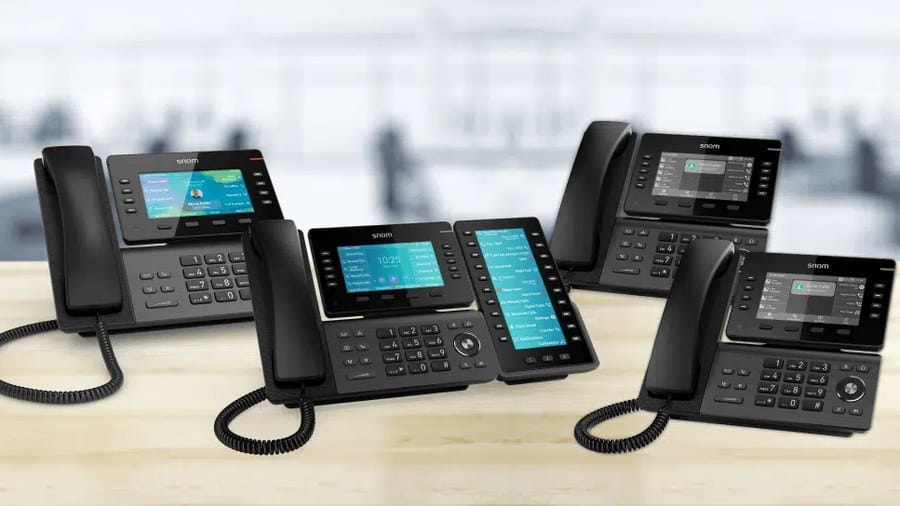
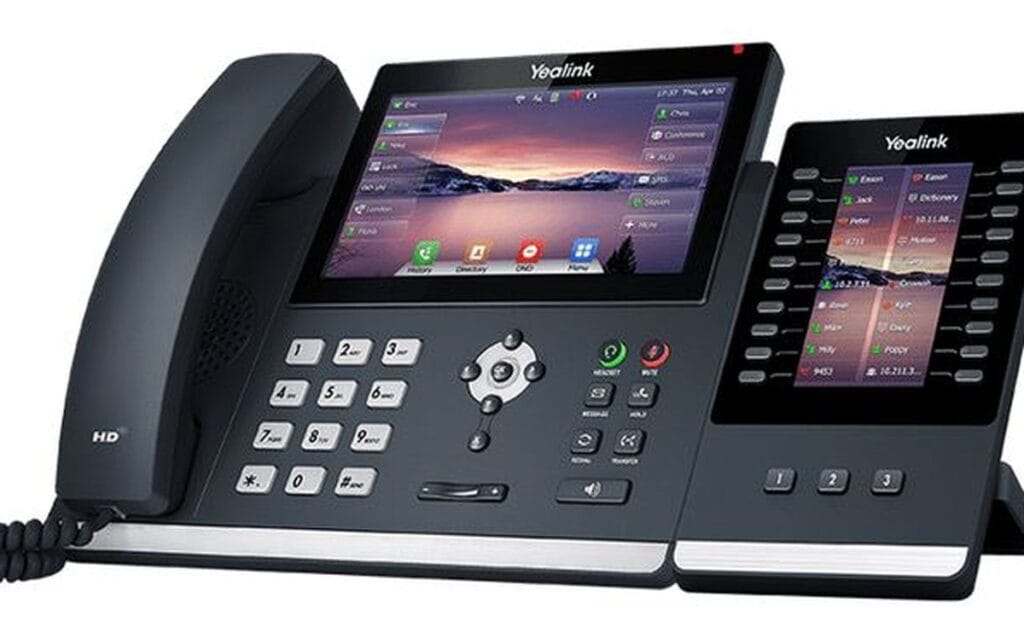
Budget should include switches (often PoE), possible UPS, structured cabling fixes, and installation — not only handset unit price. Brands such as Grandstream, Yealink, and Panasonic appear across many Kenyan offices. Manufacturer sites like grandstream.com and yealink.com outline feature sets; we focus on what is supportable locally with parts and technicians you can call.
If internet is unstable at your site, pure cloud VoIP without a backup path is risky. Discuss failover, local PSTN backup, or quality ISP links before cutting over. Browse the full office telephone category to see both analogue and IP paths side by side. Ask for a migration plan that keeps the main line ringing on day one of the switch. Train staff on the new dial patterns before go-live — missed transfers on launch day create instant resistance to the new system.
Office telephone systems at Litmus Kenya

Ugreen US128 USB 3.0 A-Male to A-Male Cable 3m Black
Original price was: KSh 800.00.KSh 600.00Current price is: KSh 600.00. ex VAT
Ugreen MU105 Silent Wireless Mouse 2400 DPI Moonlight Gray
Original price was: KSh 1,100.00.KSh 800.00Current price is: KSh 800.00. ex VAT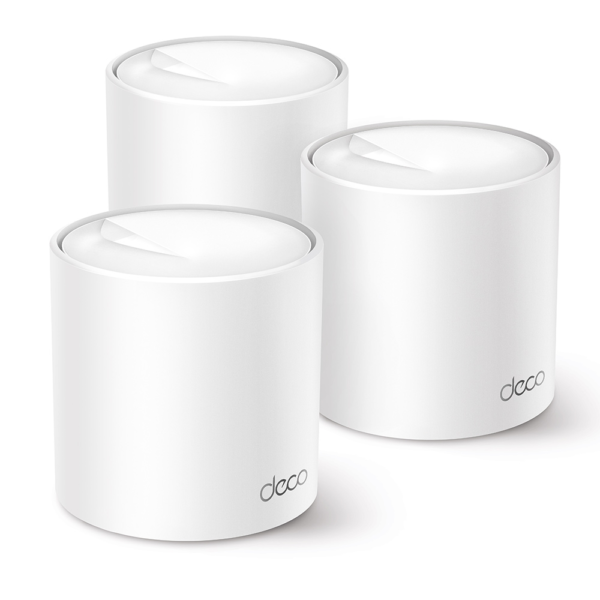
TP-Link Deco X50 AX3000 Whole Home Mesh Wi-Fi 6 System (3 Pack)
Original price was: KSh 43,900.00.KSh 36,000.00Current price is: KSh 36,000.00. ex VAT
HP 65W Type-C Adapter 1HE08AA USB-C Power Delivery
Original price was: KSh 7,700.00.KSh 6,000.00Current price is: KSh 6,000.00. ex VAT
Kensington Universal 3-in-1 2.0 Combination Laptop Lock, 1.8m Carbon Steel Cable
Original price was: KSh 6,500.00.KSh 5,600.00Current price is: KSh 5,600.00. ex VATStay analogue if wiring and needs are basic and growth is slow. Move to IP if you want features, easier expansion, and integration with modern workflows — and you are willing to keep the LAN healthy. Hybrid is fine when you need breathing room between old and new. Cost the three-year picture: handsets, licensing, internet quality, and support — not only the carton price.
Compare office telephone options, including analogue phones and IP phones, at Litmus Kenya. Share your current setup and extension count and we will advise a clean migration path.



Small clinic — staying analogue for now. IP when we hit 10 extensions.
Same. Reliability > fancy features when patients are calling.
IP wins once you need softphones for WFH staff. Fair comparison.
We hybrid — IP at HQ, one analogue trunk still live. Works.