




Free delivery in Nairobi CBD for orders above KES 20,000
Beech Zinc Alloy
Original price was: KSh 2,400.00.KSh 1,800.00Current price is: KSh 1,800.00. ex VAT
Beech Zinc Alloy
| Record Status | Pending identification |
| Manufacturer | Unconfirmed |
| Model | Unconfirmed |
| Product Type | Unconfirmed |
| Declared Material 1 | Beech hardwood |
| Declared Material 2 | Zinc alloy |
| Likely Alloy Family | Zamak 3 or Zamak 5 |
| Dimensional Data | Not supplied |
Same day Delivery
Delivery

We deliver to the address you provide. Nairobi is often same-day on business days.
Across the country
Delivery outside CBD starts from KES 300
Warranty 1 year

72-hour (3-day) returns

Description
Material Profile Pending Confirmation
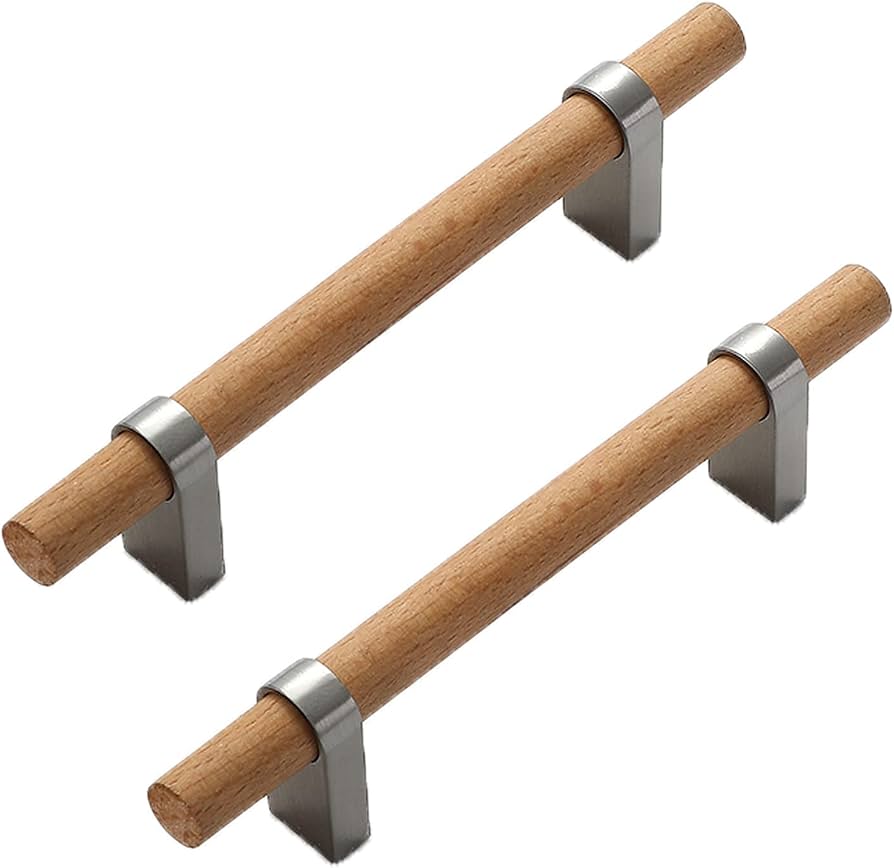
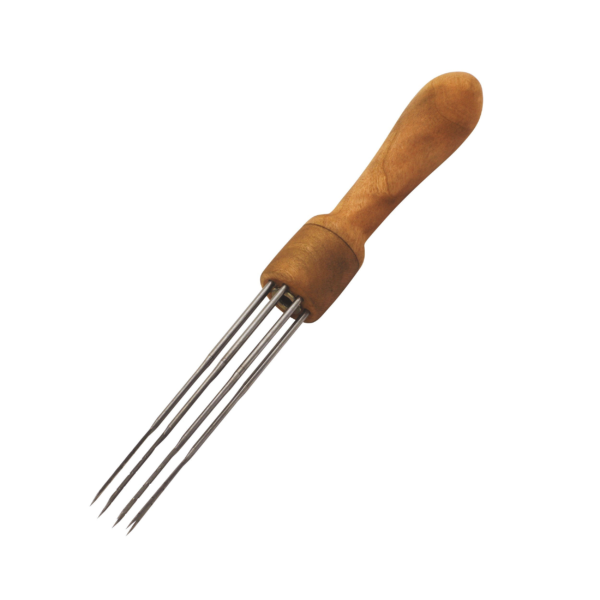
The Beech zinc alloy entry arrives from the supply feed without a model number, product type, or dimensional data. Beech names a hardwood species and zinc alloy names a die-casting metal, so the phrase describes two materials rather than a finished article. Until a part number or barcode confirms the item, the specification table carries placeholder values and the catalog placement stays at the root level.
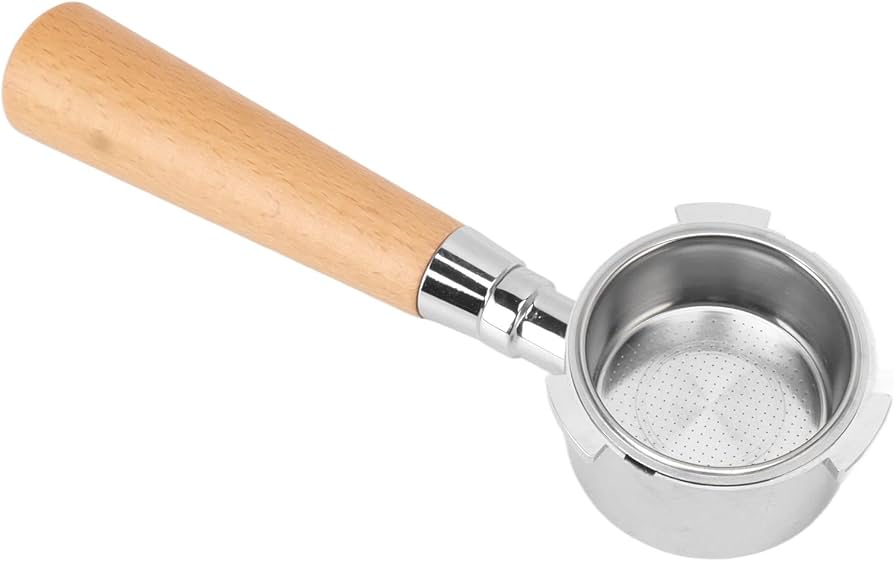
Beech (Fagus species) is a close-grained hardwood with good machining and steam-bending properties. It takes fasteners well, resists splitting under moderate load, and finishes cleanly with oil or lacquer. In consumer goods it appears in handles, mill bodies, brush backs, and kitchen tool grips. Its dimensional stability after kiln drying makes it a common choice where the wood meets metal hardware.
Zinc alloy in this context usually means Zamak 3 or Zamak 5, a zinc-aluminium-copper family with melting points near 385 degrees Celsius and good castability. Die-cast zinc parts hold tight tolerances, accept plating such as chrome or nickel, and resist corrosion in indoor service. Common uses include brackets, hinges, furniture fittings, and decorative hardware. The alloy is denser than aluminium, so a zinc component adds perceived weight and balance.
Combining beech and die-cast zinc is common in products that need a warm tactile grip and a rigid mechanical interface. The wood carries the hand contact while the metal provides threads, pivots, or locking geometry. Joinery between the two materials usually relies on threaded inserts, splines, or adhesive bonds. Differential expansion between wood and metal means the design needs clearance or a compliant interface to avoid splitting over time.
Key Features
Material Declaration Only
The record names two materials and no finished product, so feature claims stay provisional.Hardwood Properties
- Beech offers close grain and good machining behaviour.
- Kiln-dried stock holds shape under normal indoor humidity.
Die-Cast Metal Properties
- Zinc alloy casts to tight tolerances and accepts plating.
- The alloy adds mass and rigidity to thin sections.
Mixed-Material Assembly
Wood-to-metal joints need inserts or compliant bonds to manage expansion.Catalog Placement Pending
The item sits at the root category until the product type is confirmed.
Specifications
| Feature | Specification |
|---|---|
| Record Status | Pending identification |
| Manufacturer | Unconfirmed |
| Model | Unconfirmed |
| Product Type | Unconfirmed |
| Declared Material 1 | Beech hardwood |
| Declared Material 2 | Zinc alloy |
| Likely Alloy Family | Zamak 3 or Zamak 5 |
| Wood Grain | Close, straight |
| Metal Casting Route | Die casting |
| Typical Plating | Chrome, nickel |
| Dimensional Data | Not supplied |
| Weight | Not supplied |
| Barcode | Not supplied |
What’s in the Box
Unconfirmed, packaging contents depend on the final product type
Why Choose This Entry
The record documents both materials honestly instead of inventing a product.
Material notes give procurement a starting point for supplier queries.
Placeholder specifications flag the gaps that block a proper listing.
The root category keeps the SKU visible without mis-filing it.
To complete this page, supply the manufacturer name or part number, the product type, or a photograph of the item and its packaging. Any one of those inputs lets the catalog team resolve the brand term, assign the correct child category, and populate the specification table with verified values.






Reviews
Clear filtersThere are no reviews yet.