

Blog
Electric fencing essentials for Kenyan properties

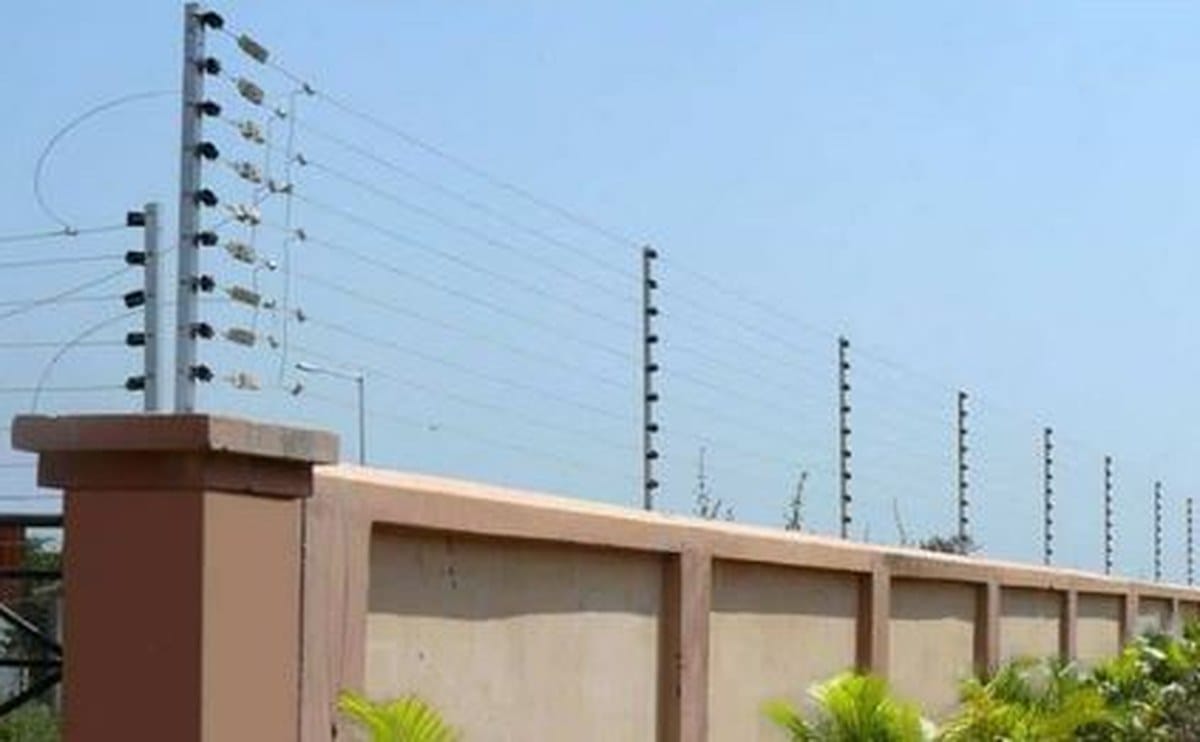
Electric fencing is a deterrent layer, not a magic wall. Done well, it slows climbers and triggers alerts. Done poorly, it shocks the wrong people, fails in rain, or leaves gaps at corners thieves already know. Kenyan properties—from residential estates to warehouses—need correct energizer sizing and earthing first, not only more wires on the wall.
Browse electric fencing within security and plan the full perimeter, not just the front wall you can see from the gate. Side walls, corners, and junctions with neighbours are where weak installs fail.
Voltage without good earth rods is theatre. If the return path is weak, the fence feels soft and thieves learn fast. Spend on earthing and insulator quality before buying a louder siren.
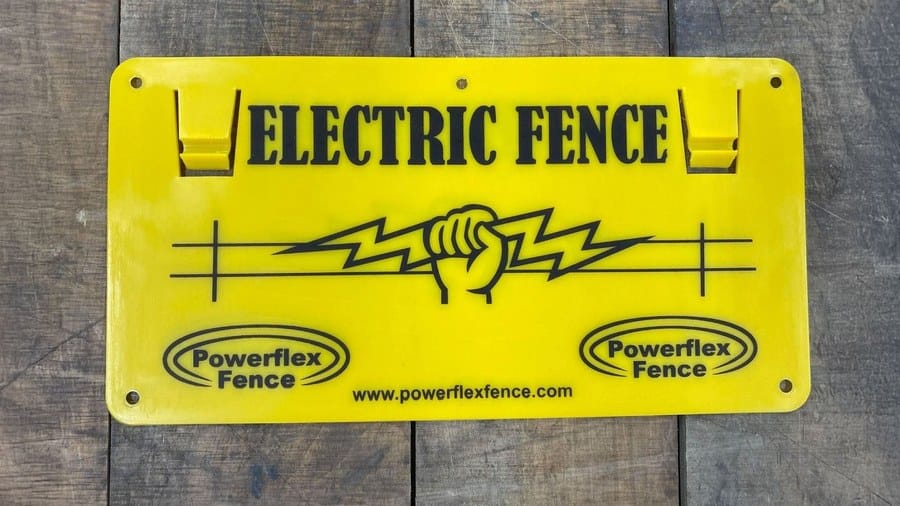
An energizer pulses high voltage along live wires. Choose joule rating for fence length and number of wires, with headroom for vegetation contact after the rains. Tall trees and overgrown shrubs short the line—budget for clearing as part of ownership, not as an optional extra. Bracket height and wire spacing should match the threat: residential climb-over differs from livestock control or industrial yards with ladders on site. Warning signs are not optional; they reduce liability and make the deterrent visible in daylight and under security lights. Walk the full boundary once with the installer before you approve the quote.
Power reliability matters. Many sites add a battery-backed energizer so night outages do not leave the fence dead the same hour thieves prefer. Solar-assisted setups help remote plots where grid power is irregular. Keep the energizer in a locked, ventilated box away from casual tampering. Separate the fence circuit from DIY lighting jobs so someone does not kill the fence while fixing a bulb on the same spur. Document where the earth rods are buried so the next technician is not digging blind.

Integration improves response. Pair fencing with lighting, CCTV at likely climb points, and a clear call tree for guards. A fence that only buzzes while nobody watches still gets cut. Test the line after storms. Replace cracked insulators promptly—one failed insulator can drop a whole zone and create a false sense of security. Train staff never to touch the wires “to check” with bare hands; use a proper fence tester and record readings in a simple log.
Legal and neighbour considerations differ by area. Follow local by-laws, use approved warning plates, and avoid wires that encroach on public paths or overhang neighbours without consent. For apartments and shared walls, get written approval before drilling. Product-wise, stick to known energizer lines with local spare parts. Browse electric fencing for energizers and related hardware, then hire an installer who measures earth resistance—not one who only quotes per metre of wire and disappears after handover.
Electric fencing systems and accessories

XCV450 Fragranced Vanilla Scented 450g
Original price was: KSh 95.00.KSh 77.00Current price is: KSh 77.00. ex VAT
Lavender Scented 450g Fragranced Air Freshener – Slow-Release Room Fragrance
Original price was: KSh 101.00.KSh 82.00Current price is: KSh 82.00. ex VAT
Lion Classic White Fluted 400g Cup
Original price was: KSh 47.00.KSh 37.00Current price is: KSh 37.00. ex VAT
Lion Light Brown Shoe Polish 50ml – Wax-Based Leather Cream
Original price was: KSh 15.00.KSh 12.00Current price is: KSh 12.00. ex VAT
Loving Touch Sensitive Gel 6x200ml Water-Based Intimate Lubricant Paraben-Free
Original price was: KSh 500.00.KSh 400.00Current price is: KSh 400.00. ex VATSize the energizer to the run, earth it properly, keep vegetation clear, and post warning signs. Treat electric fencing as one layer beside gates, lighting, and cameras.
Compare kits in electric fencing at Litmus Kenya, or share your perimeter length and photos for a grounded recommendation.


Energizer sizing + earthing — most DIY fails start there.
True. Weak earth = weak fence. People blame the wire instead.
Warning signs + legal basics — glad you mentioned. Neighbours notice.
Solar energizer for the shamba side. Grid one for town house.
Hybrid is common. Just service batteries on schedule.