

Get free delivery within Nairobi CBD for orders above KES 20,000
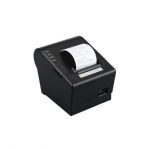
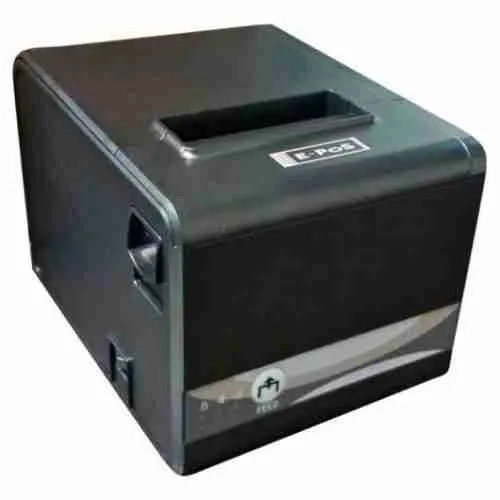
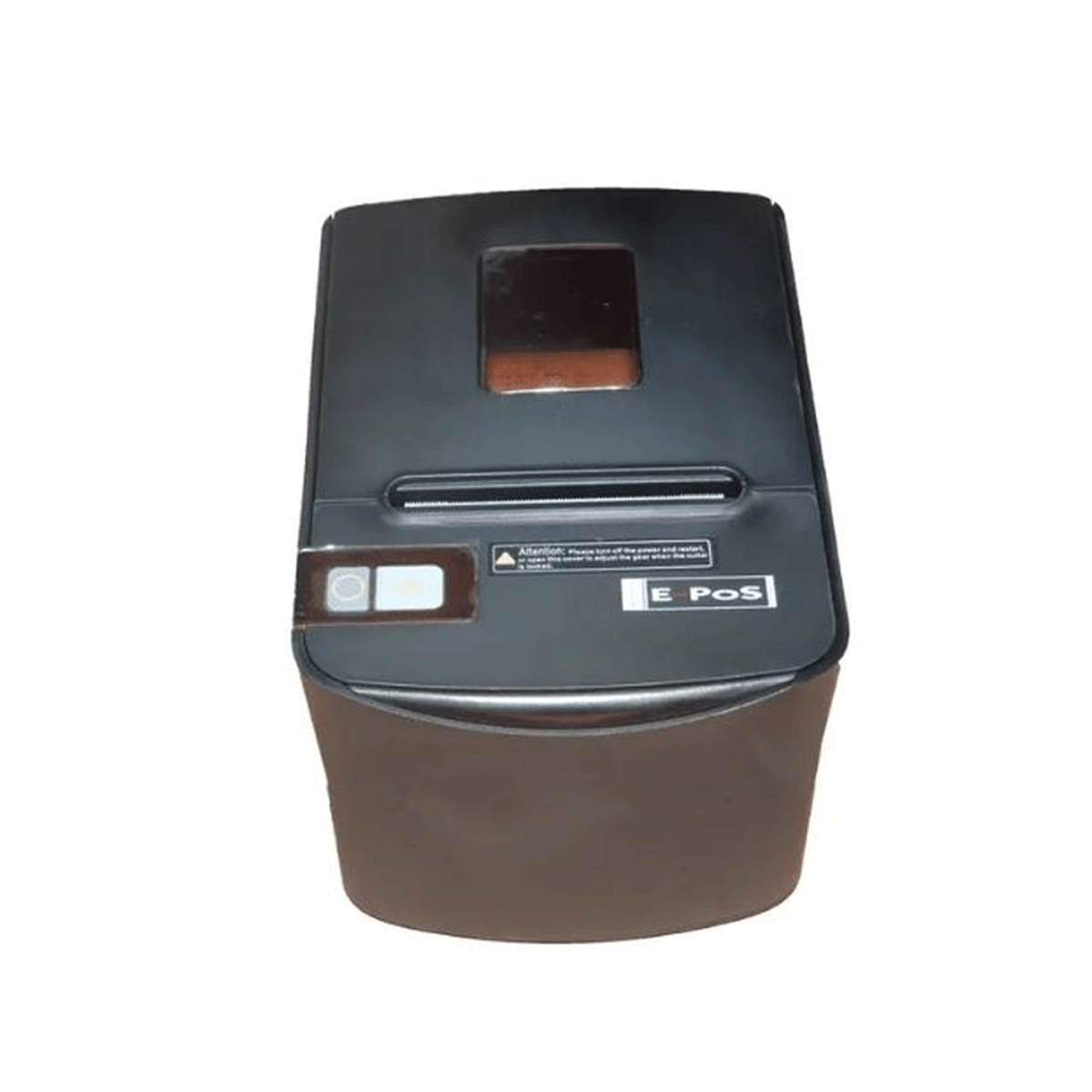
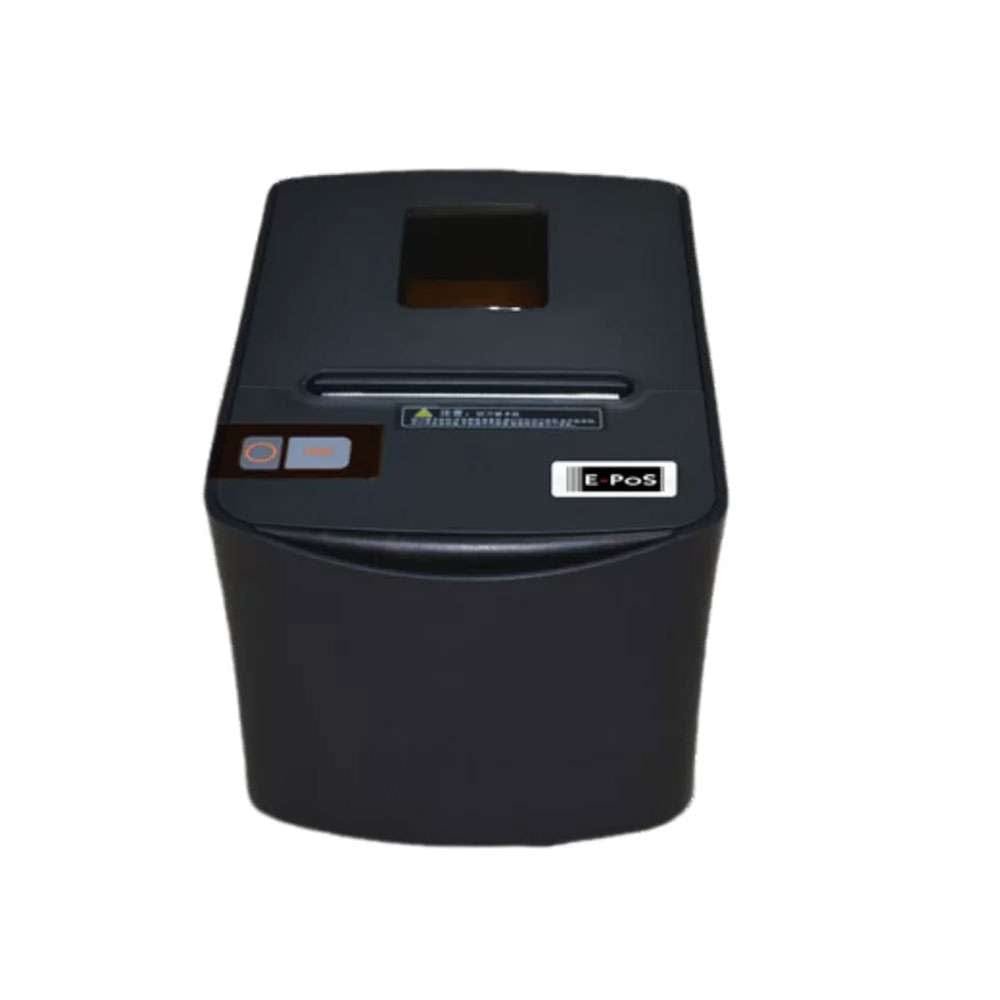
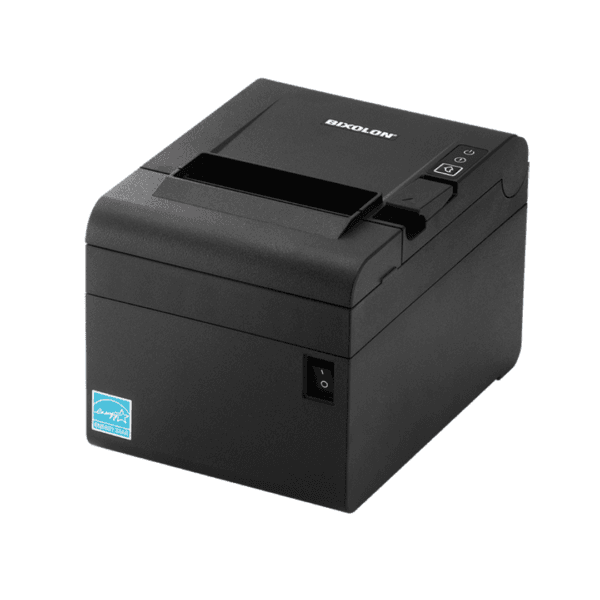
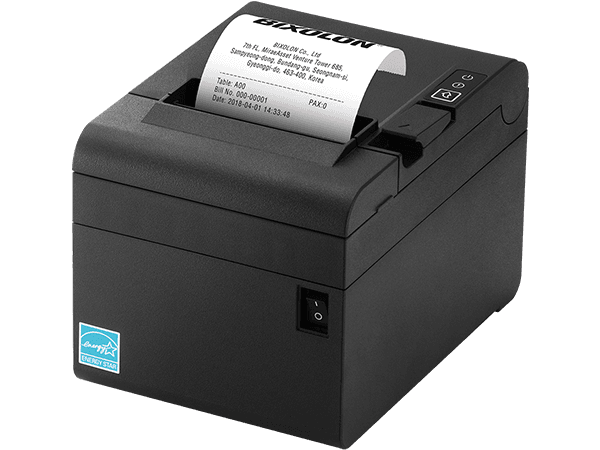
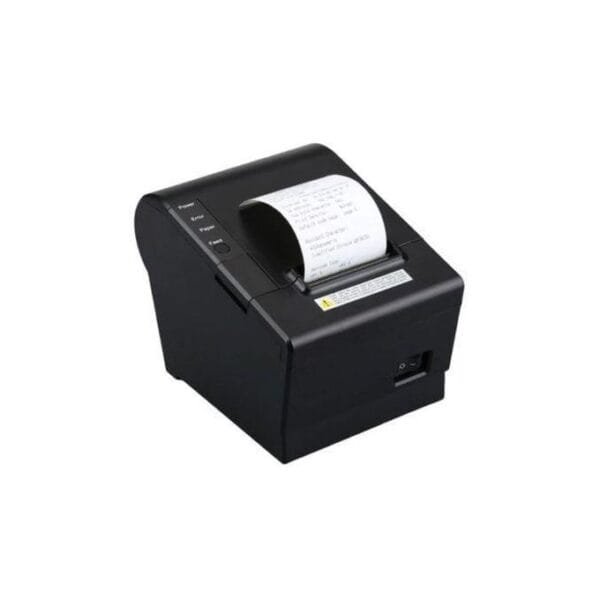
Syble ECO 250 Thermal Receipt Printer USB Serial
Original price was: KSh 14,000.00.KSh 12,500.00Current price is: KSh 12,500.00.
Syble ECO 250 Thermal Receipt Printer USB Serial
| Print Speed | 250mm/s |
| Interface | USB + Serial |
| Paper Width | 80mm |
| Cutter | Auto-cutter (1.5M cuts) |
Shipping & Delivery
Fast delivery

Your order will be deliver to the specified address
15 - 45 minutes
From KES 300

Warranty 1 year

Free 30-Day returns

Description
Syble ECO 250
The Syble ECO 250 Printer delivers high-performance transaction processing through direct thermal technology and dual-interface connectivity. This unit provides a reliable solution for retail and hospitality environments requiring consistent receipt output. It features a robust internal mechanism capable of sustained operation in high-traffic settings. The architecture supports standard 80mm thermal media rolls. Therefore, it integrates seamlessly into existing Point of Sale infrastructures.
Key Features
High-Speed Thermal Output
The device achieves print speeds of 250mm per second to maintain efficient customer throughput during peak hours.Dual Interface Connectivity
- Standard USB 2.0 port for modern PC and POS terminal connection.
- RS232 Serial port for legacy system integration and specialized peripherals.
- Built-in cash drawer port (RJ11) for automated drawer triggering.
Reliable Media Management
The integrated auto-cutter supports partial cuts and is rated for 1.5 million individual operations.
Specifications
| Feature | Specification |
|---|---|
| Print Method | Direct Thermal |
| Print Speed | 250mm/s |
| Resolution | 203 DPI (8 dots/mm) |
| Paper Width | 79.5 ± 0.5mm |
| Interface | USB + Serial (RS232) |
| Auto-Cutter | 1.5 Million Cuts (Partial) |
| Command Set | ESC/POS Compatible |
| TPH Life | 150 KM |
What’s in the Box
- Syble ECO 250 Thermal Printer
- Power Adapter and Power Cable
- USB Interface Cable
- Thermal Paper Starter Roll
- Driver Installation Disc and Manual
Why Choose Syble Thermal Hardware
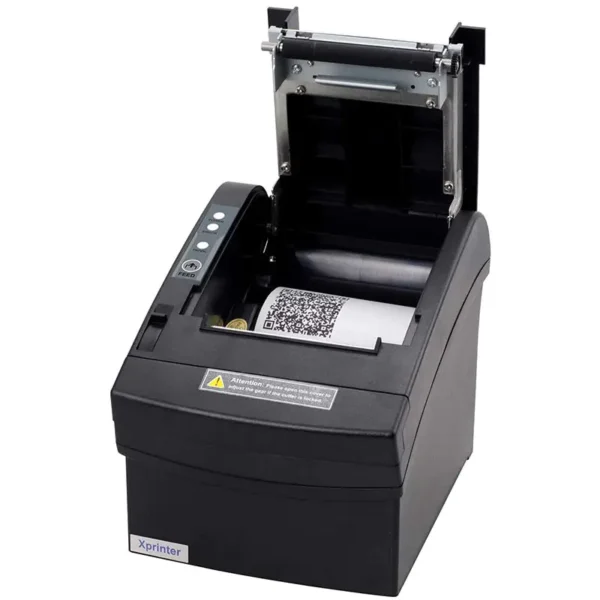
- The system utilizes a drop-in paper loading design to minimize downtime during roll replacements.
- Advanced sensors detect paper-end and cover-open status to prevent print errors and hardware damage.
- Compatibility with Windows, Linux, and OPOS drivers ensures broad software support across various platforms.
- The compact footprint optimizes counter space in constrained retail environments without sacrificing print quality.
- Low power consumption in standby mode reduces operational costs over the lifecycle of the hardware.











Reviews
Clear filtersThere are no reviews yet.